
Brazil, November 2025 — Notes from a Month Between Water, Politics and Everyday Life
I spent the entire month of November 2025 in Brazil. Five weeks moving through very different worlds that are, in reality, deeply connected: Rio de Janeiro, Brasília, Belém during COP30, the island of Marajó, Manaus and the upper Rio Negro, especially São Gabriel da Cachoeira.
I travelled as a scientist, as a photographer, and as someone who has worked in Amazonian floodplains for most of her life. My first fieldwork in the region was in 1986. I spent weeks in Brazil every year since then. I took my kids there, I went on doing scientific research.
Still, returning now wasn’t nostalgic. It was sobering, complex, and deeply moving. This text is not an opinion piece. It is a record of what I observed, photographed and experienced.
This journey started in Rio, passed through the capital Brasilia but revolved mainly around COP30 in Belém. After that, it quickly became much more. The highlight after Manaus was definitely Sao Gabriel da Cachoeira, in the middle of the Amazon forest with a city with 90% indigenous peoples of dozens of ethnies.
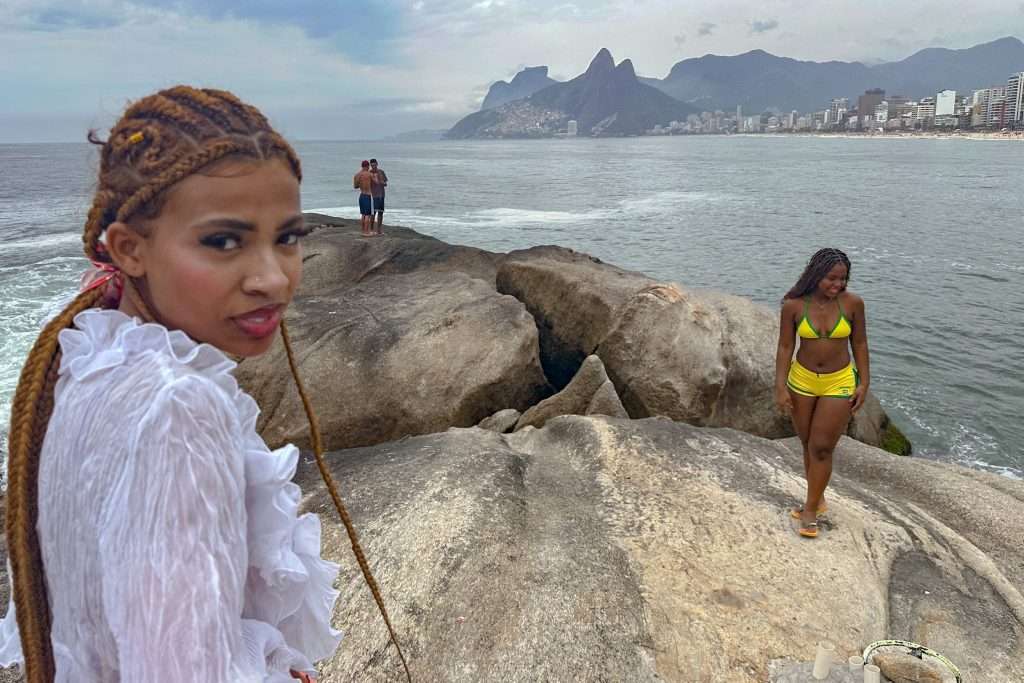
I spent some days in Rio just to get used to the change of time and climate.


Belém: Where Climate Is Not an Abstraction
Belém is intense, it is dense, humid, and loud, alive like everywhere else in Brazil. The Amazon River does not gently reach the Atlantic here; it arrives with force, sediment, colour and scale. Standing at its mouth, watching freshwater push far into the ocean, it becomes obvious why COP30 was held here. Climate change is not theoretical in Belém. Water is not a concept. It is infrastructure, food, transport, threat and memory.

Around COP30, the city was under pressure. Prices rose sharply and the infrastructure almost collapsed. Many participants stayed far outside the city centre, I slept, with my working group, on an island more than 80 kilometres away because accommodation near the conference was unaffordable. This is a fact worth noting: global climate diplomacy generates local economic stress long before it generates solutions.


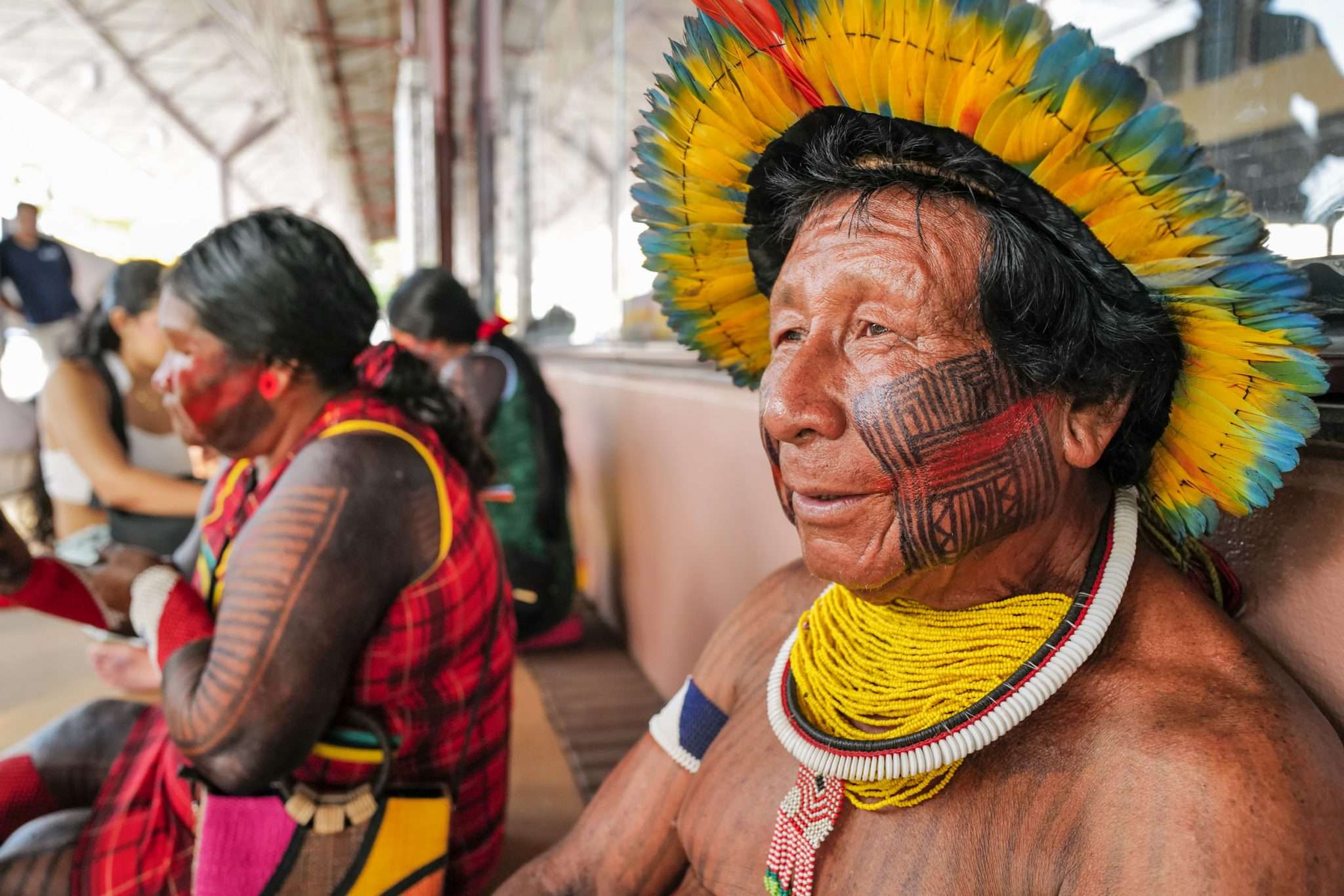
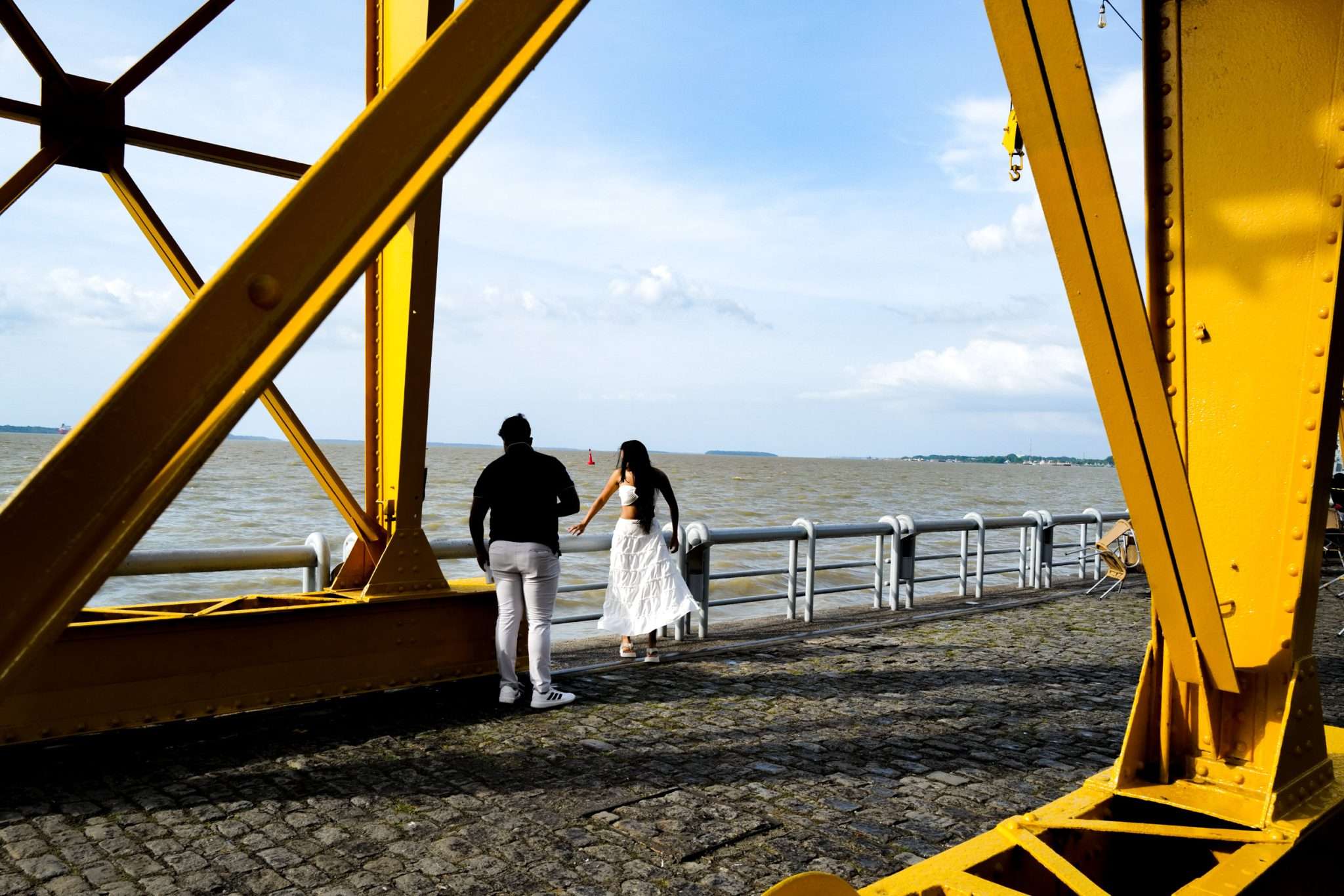
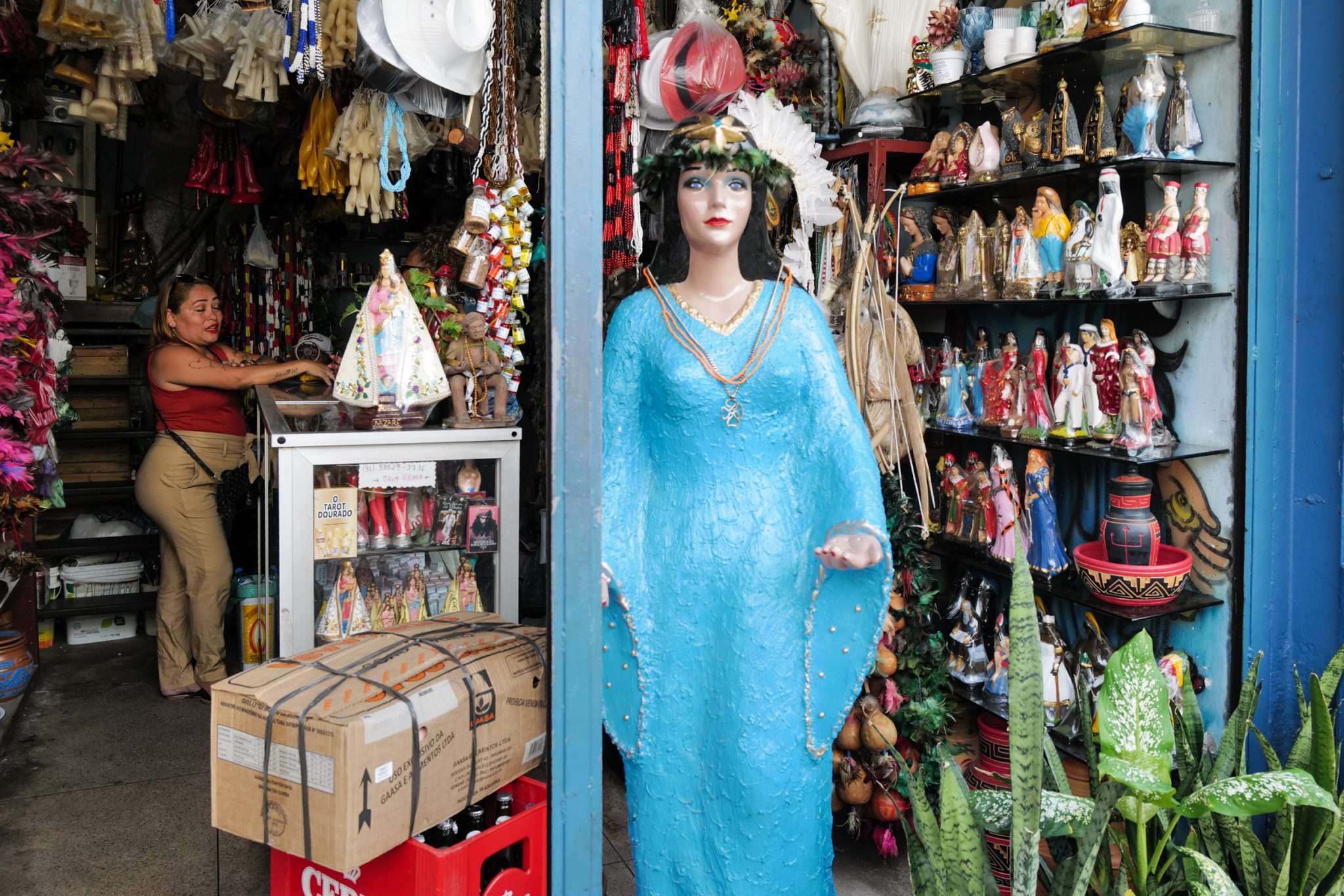
As a photographer, Belém during COP30 was a layered environment. Security barriers next to street vendors. Indigenous delegations arriving after many days of river or bus travel. Delegates moving between air-conditioned spaces while the city functioned outside in heat and rain. I photographed selectively here; my main role was scientific and institutional. But when I did photograph, I worked close, with wide angles, focusing on gestures and faces.
The light was unforgiving and generous at once: hard sun, sudden tropical rain, reflections everywhere. Colour dominated. In Belém, colour carries information before form does.
COP30: Visibility, Dialogue, and Limits
Around COP30, the Amazon was not a backdrop for global politics. It was a system under pressure, inhabited by societies negotiating their future daily.
COP30 itself was contradictory and that is not a criticism, but a description. There was visibility: for Amazonia, for Indigenous voices, for water-related issues. There were strong side events, especially those linking science, culture and education. I participated in conferences on water, climate adaptation and floodplain systems, and presented work connecting ecological data with human narratives.

At the same time, there was also a lot of show off and greenwashing. Tourism promotion wrapped in sustainability language. Announcements without binding mechanisms. This duality was visible everywhere: serious dialogue alongside symbolic gestures. 50.000 delegates travelling around the planet to save it?
From a photographic point of view, COP30 was not about spectacular moments. It was about observing structures. Street photography became a tool for understanding power relations rather than aesthetics.


Marajó Island: Between Postcard and Degradation
From Belém I crossed to Marajó, the world’s largest freshwater island, formed by sediments of the Amazon and Tocantins rivers. Marajó is often photographed as a pastoral landscape: water buffaloes, open skies, flooded fields. These images exist, and I photographed them.
But Marajó also demands a second look. Behind the beauty lie degraded soils, overgrazed land, and simplified land-use systems presented as “traditional”. In places like Salvaterra and Joanes, daily life unfolds quietly: children playing in water, fishermen repairing nets, women talking in the evening light. These moments were visually rich and deeply human.
Marajó is a perfect place for photographers who want more than beauty. It forces you to look twice. Here, street photography merges with environmental documentation. The camera becomes a tool to show coexistence and tension between people, animals and altered ecosystems. Marajó is not a place for romantic travel photography. It is a tough place, beautiful and hard at the same time.


Manaus and the Rio Negro: Returning to Scientific Ground
Flying from Belém to Manaus means flying over water for hours: rivers, channels, flooded forests. This is my scientific terrain. I know these landscapes not just visually, but physiologically, through years of fieldwork in floodplain ecology. This is my scientific home terrain. I did my PhD here. I know these landscapes with my body, not just my eyes. Always sweating, exhausted, but happy.
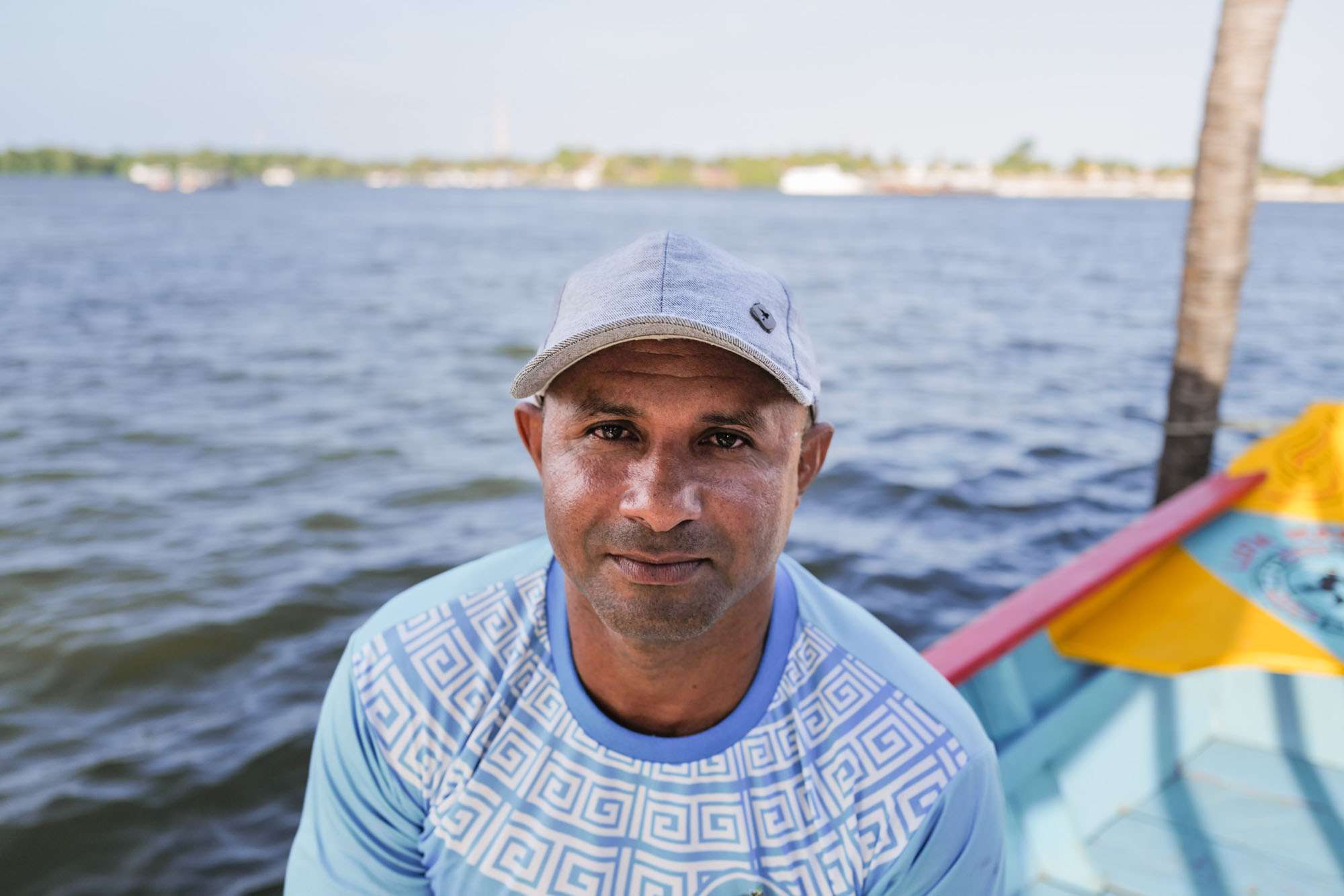
In Manaus and along the Rio Negro, I photographed markets, buses, people bathing in blackwater, riverbanks during changing water levels. The rhythm is dictated by the river, not by the clock. People observe you, but without suspicion.
One of the highlights was visiting research sites again and seeing how science, climate change, and daily life collide. What has changed is measurable: higher air and water temperatures, altered flood pulses, reports of dolphin mortality, fire in the wettest forests of the planet. These are not headlines here; they are daily reality. Photographing this is not about drama. It is about precision and restraint.

São Gabriel da Cachoeira: Photography at the Edge of Access
The most intense experience of the month was São Gabriel da Cachoeira, in the upper Rio Negro. No roads lead there. You arrive by plane or river. Over 90% of the population is Indigenous, representing dozens of ethnic groups.
I was there to witness and participate in something historic: the development of a new campus of the Federal University of Amazonas dedicated to Indigenous students. It is the first of its kind in Amazonia. Young people from remote communities are studying environmental monitoring, education and science, almost only online, with minimal resources.

Photographically, São Gabriel is demanding. I made some portraits, photographed some street scenes, took images of river beaches, classrooms and meetings. But to take photos of indigenous people there are very strict rules. I would have needed a written consent by the FUNAI (Fundação Nacional dos Povos Indígenas). This is Brazil’s federal agency responsible for protecting the rights, lands, and cultures of the country’s Indigenous peoples. So I slowed down on photography
Why Travel Here as a Photographer
Amazonia is spectacular. These places are real. People are approachable and not saturated by tourism. I always work very close, using a wide angle. My portraits are passing, sometimes with eye contact, I talk to the persons in Portuguese. People are open here, curious. I felt always welcome.

Street photography is a dialogue, and travel photography regains meaning as it is grounded in context. Colour, light, water and human presence are inseparable.
The light on the equator is strong and generous at the same time. Hard midday sun, sudden tropical rain, reflections everywhere. Colour is not optional, it is unavoidable. This is street photography where colour tells the story before form does.
I returned with thousands of images. Portraits, street scenes, landscapes, details. But more importantly, I returned with clarity. Photography, for me, remains a way to stay connected: to people, to places, and to responsibility.
Brazil does not offer easy stories but it offers honest ones, if you really look for them.
