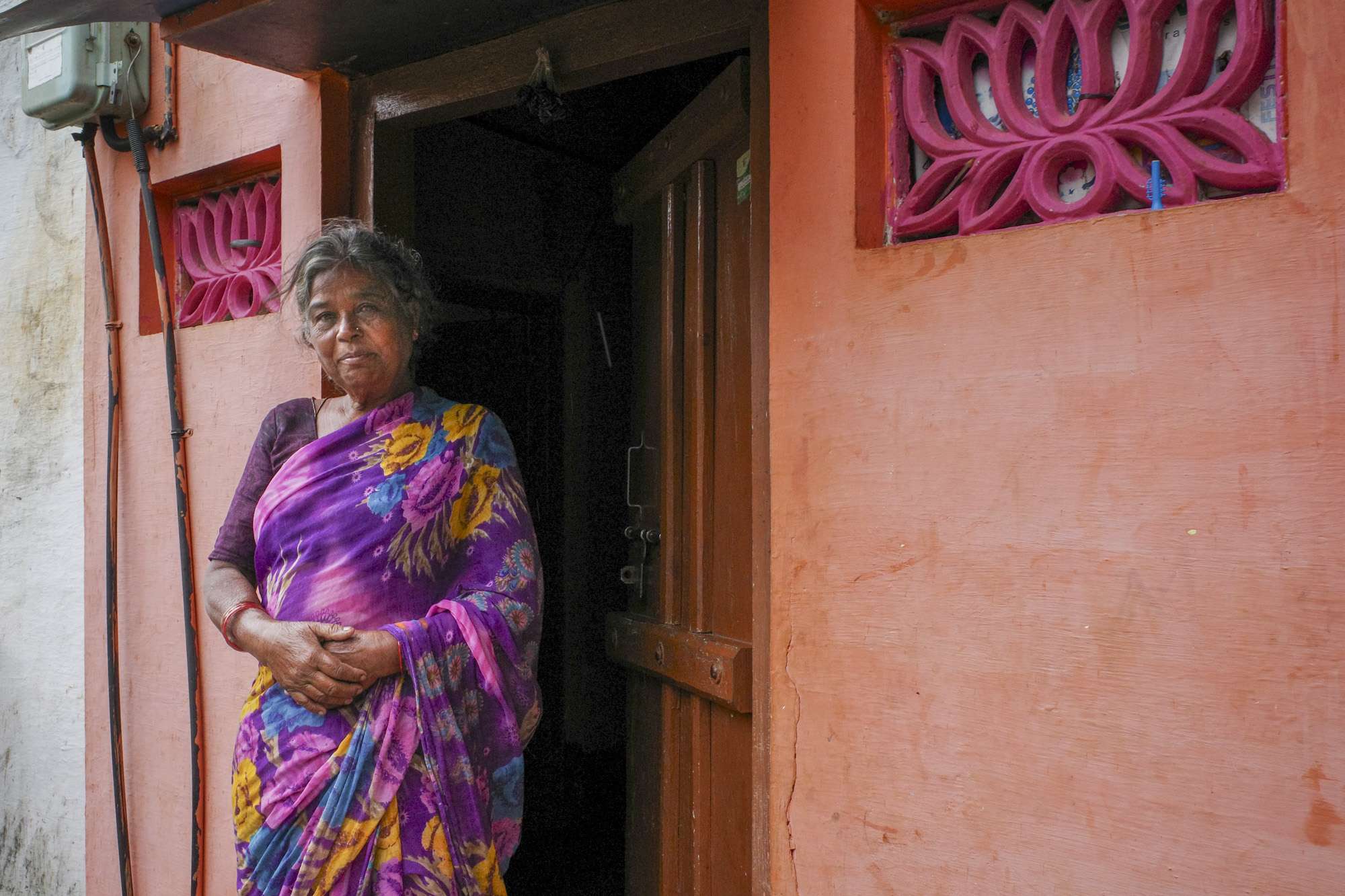
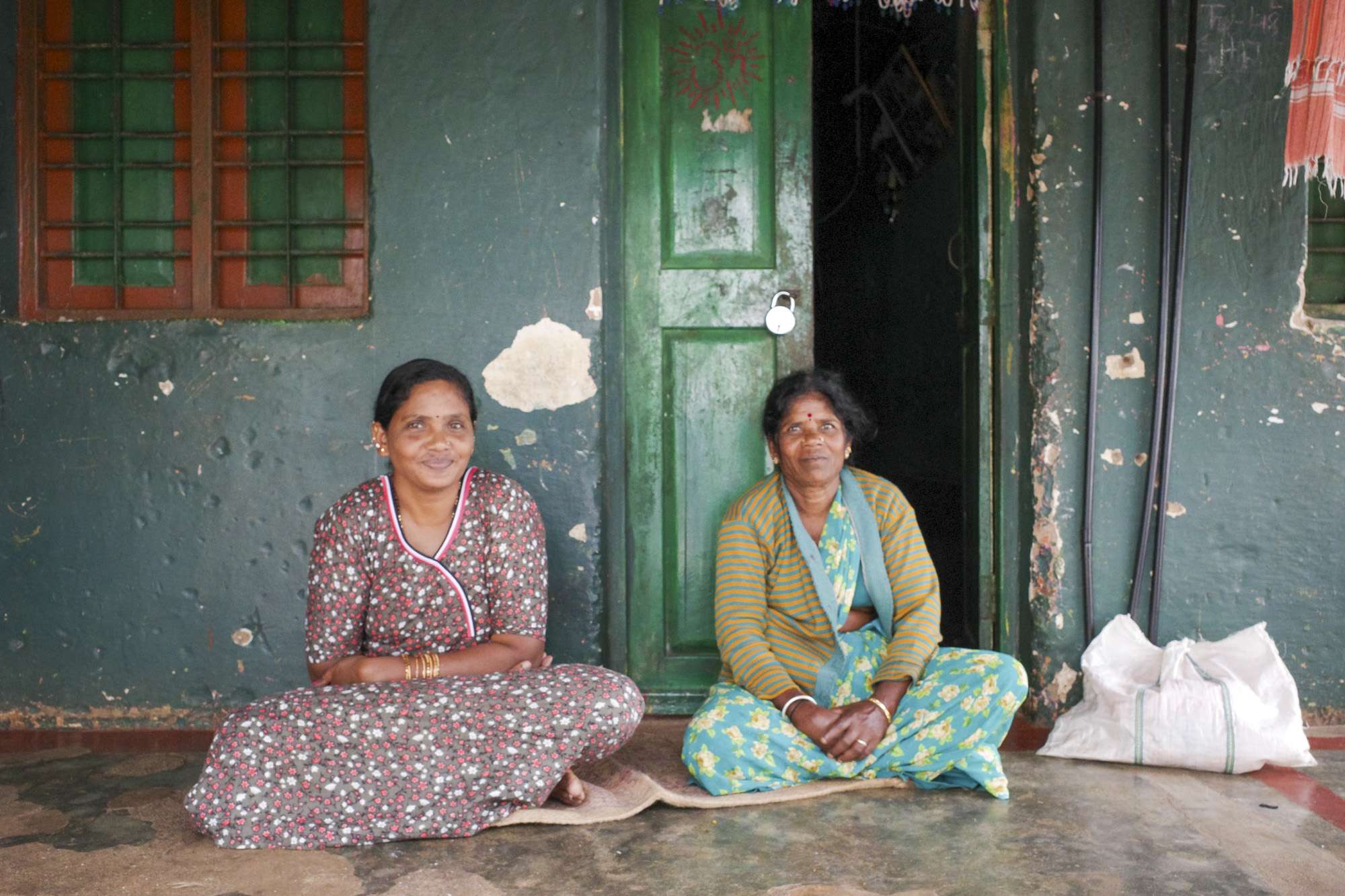
I arrived in the Biligiriranga Hills in July 2023, at the cusp of the monsoon. The first showers began to revive the parched earth. The villages are clustered along the tropical forest edges of Southern India. The families of the Soliga tribe greeted me with quiet curiosity. I came to understand how deeply water is woven into their lives, and how fragile their access to it has become.
The Soliga struggle for water is not only a material struggle but a symbolic one. It underscores the fragility of forest–people relationships under pressure. Problems arise from conservation regimes, climate change, infrastructural neglect, and shifting economic landscapes. Their daily lives are characterised by fetching water, cooking meals, caring for children, walking forest trails, gathering forest produce. These all become acts of negotiation, adaptation, and resistance.
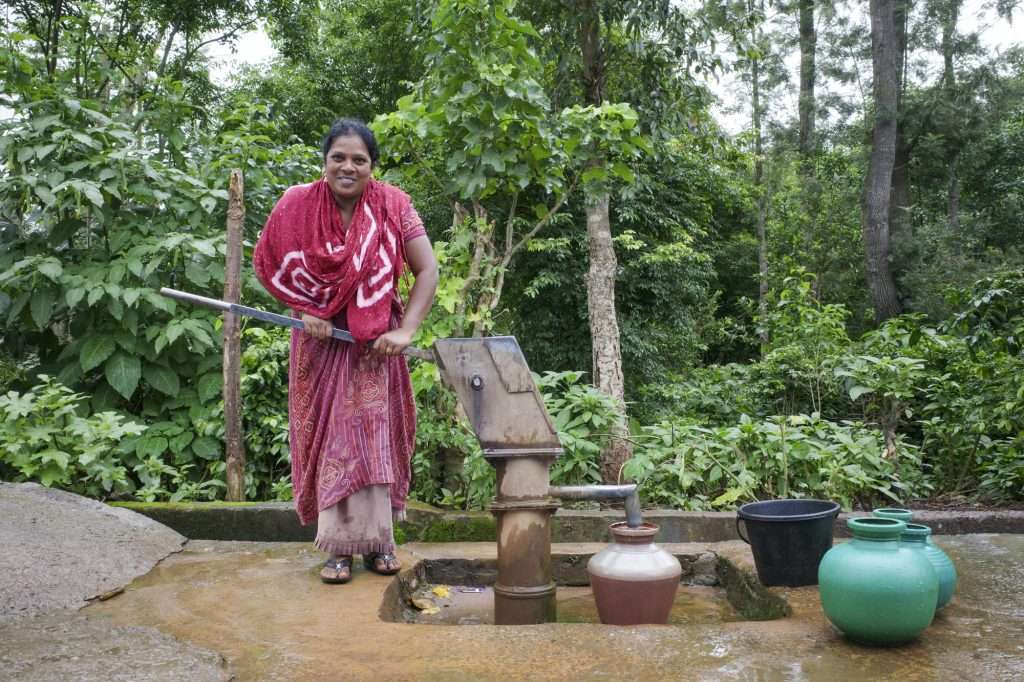
I documentated their daily routines: the women drawing water, the communal tea gatherings, the irrigation of small gardens. All these become windows into a deeper story: how an indigenous community, grounded in forest wisdom, fights for survival when water — the essence of life — becomes scarce.
Women wake before dawn to plan who will walk where, how many pots to bring, how to ration water for cooking, cleaning, drinking. In dry periods, the distances increase, the wait times at wells or pumps lengthen. People sometimes use water sparingly, skipping baths, using less for washing and irrigation, or reusing what little remains.
Water scarcity exacerbates social inequality: families with deeper private borewells or proximity to springs get priority; those at higher elevations or farther out suffer more.
Moreover, when water is contaminated or inadequate, health costs rise. When adults fall sick, their ability to tend fields, hike for forest produce or manage chores falters. Children miss school; the cycle of vulnerability deepens.
Roots in Forest and Field
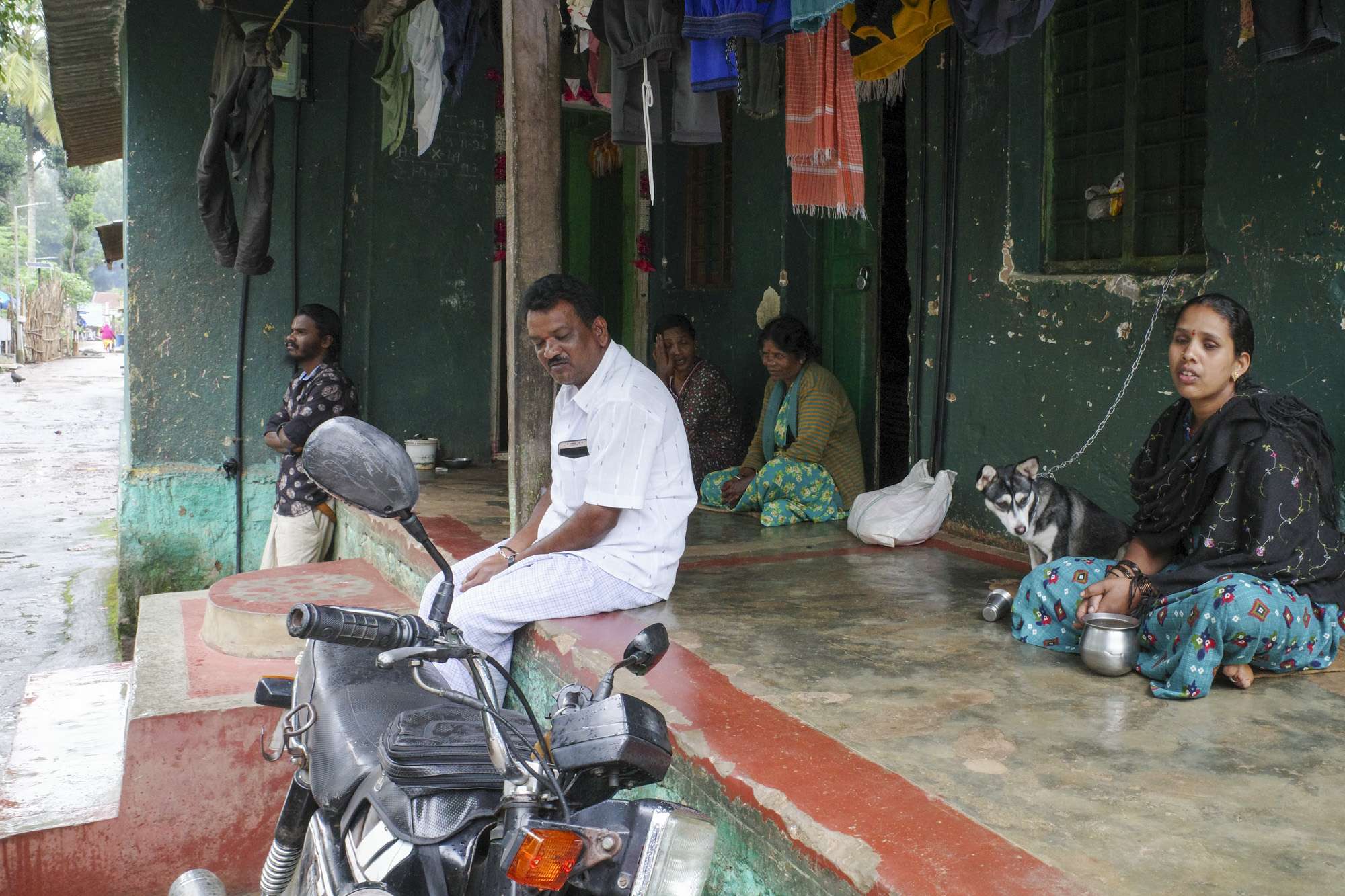
The Soligas, sometimes called “children of bamboo,” inhabit the BR Hills across southern Karnataka and some adjoining areas of Tamil Nadu. Their language, Sholaga (closely related to Kannada with Tamil influences), echoes their deep-rooted forest identity. For centuries, their existence was shaped by shifting cultivation, forest gathering, small-scale hunting, and subtle forest-based agriculture.
In their traditional system, a small patch of forest is cleared (or burned in a controlled fashion), fields are sown for one or two seasons with millets, pulses, tubers, vegetables, then left fallow to regenerate. That rotation allowed soil regeneration and forest recovery. The forest itself was their pantry: roots, tubers, wild greens, mushrooms, wild berries, bamboo shoots, medicinal herbs, occasional small game (rodents, birds) supplemented their diet.
Among forest produce they collected and sold were honey, gooseberries (nellikai / Amla), soap-nut (Sapindus), broomstick, lichen, turmeric, bamboo, and various roots. Women often handled collection of berries, medicinal plants, and broomstick; men climbed for honey, lichen, and tree bark. Roughly half of income for many families came from non-timber forest produce (NTFPs) in good years.
After forest policies restricted shifting cultivation, especially when BR Hills became a wildlife sanctuary in 1974, and later a tiger reserve, many of the Soligas had to shift to settled agriculture, wage labor, or cultivation of cash crops like coffee and pepper. In recent decades, mixed cropping (finger millet, sorghum, legumes, maize, vegetables) has often been replaced or supplemented by coffee or pepper cultivation.
This shift has trade-offs: cash income can help meet needs, but food self-reliance weakens, and risks (crop failure, pests, market price drops, wildlife raids) loom. Beans, pulses, pumpkins, tubers and vegetables are still grown in small patches or home gardens for household use. Many families also take up wage labor in forest clearing, plantation work, construction in nearby non-forest areas. In surveys, around 45% or so of their income is from agriculture, ~43% from labor, ~7% from forest produce, ~5% from livestock, though proportions vary by community and season.
Nutrition and health are constant undercurrents. Many Soliga women are undernourished; diets often fall short of macronutrient and micronutrient recommendations. They generally eat two main meals per day; mixed diets when possible, but limited diversity. Their knowledge of hygiene and health practices may be good, but practices sometimes lag behind due to resource constraints.
A Day with Water
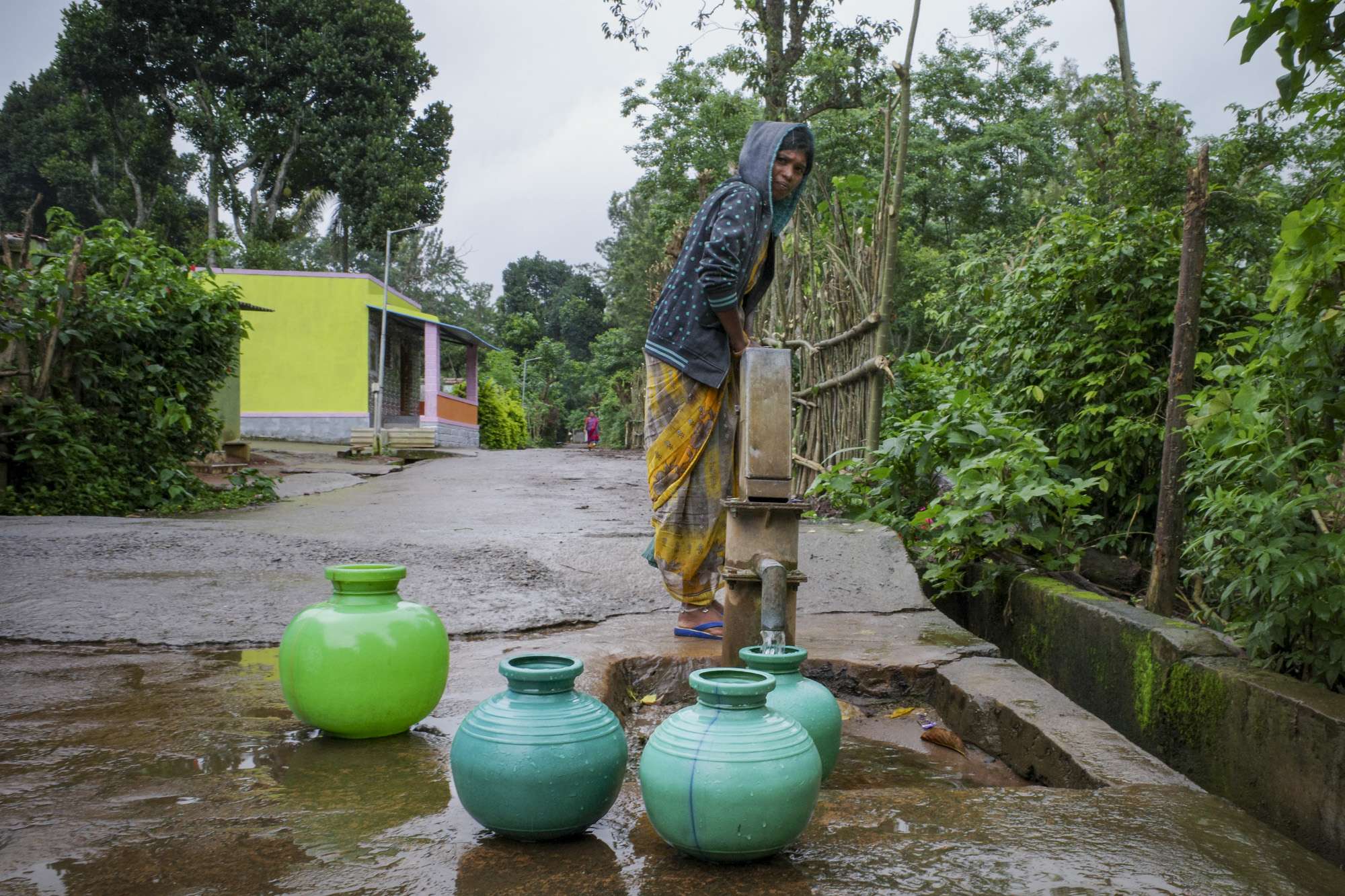
To step into a Soliga household is to see water animating every task. Water is used for cooking, washing, bathing, tending gardens, brewing tea, watering small patches of vegetables, animals. In early mornings, before the first light spreads over the forest ridges, women would walk to wells, streams or borewells. Some villages still maintain open wells, hand-drawn, though many have become unreliable in the dry season.
At one such well I visited, a group of women gathered with pots. They used to be made of clay but now they use very light and colourful plastic pots, a lot more convenient for using transportation. Some drew water by pulley or rope, others fetched with bamboo ladles. The edge of the well is lined with stones to prevent collapse, and plants or grasses are tucked around to reduce erosion.
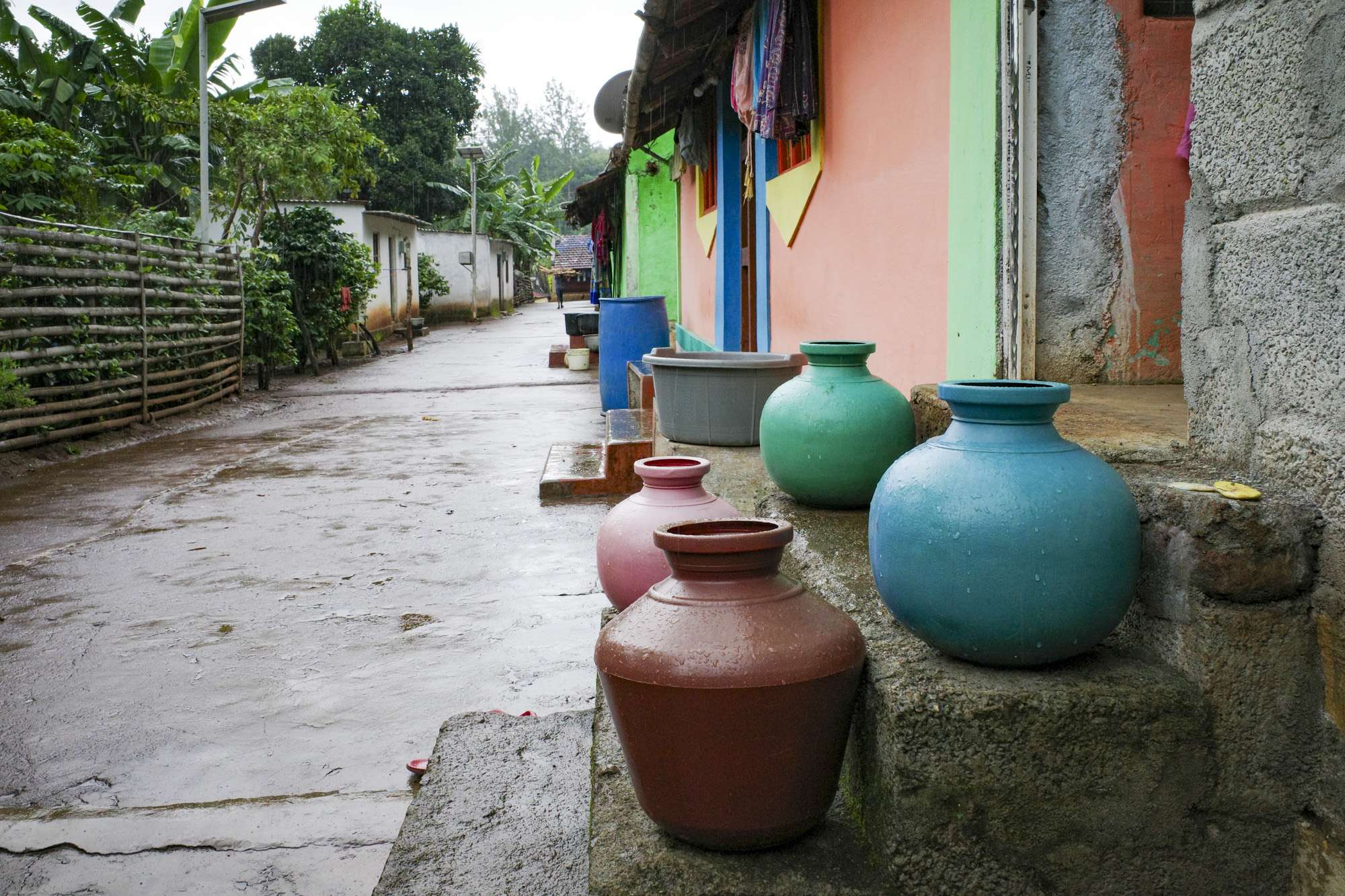
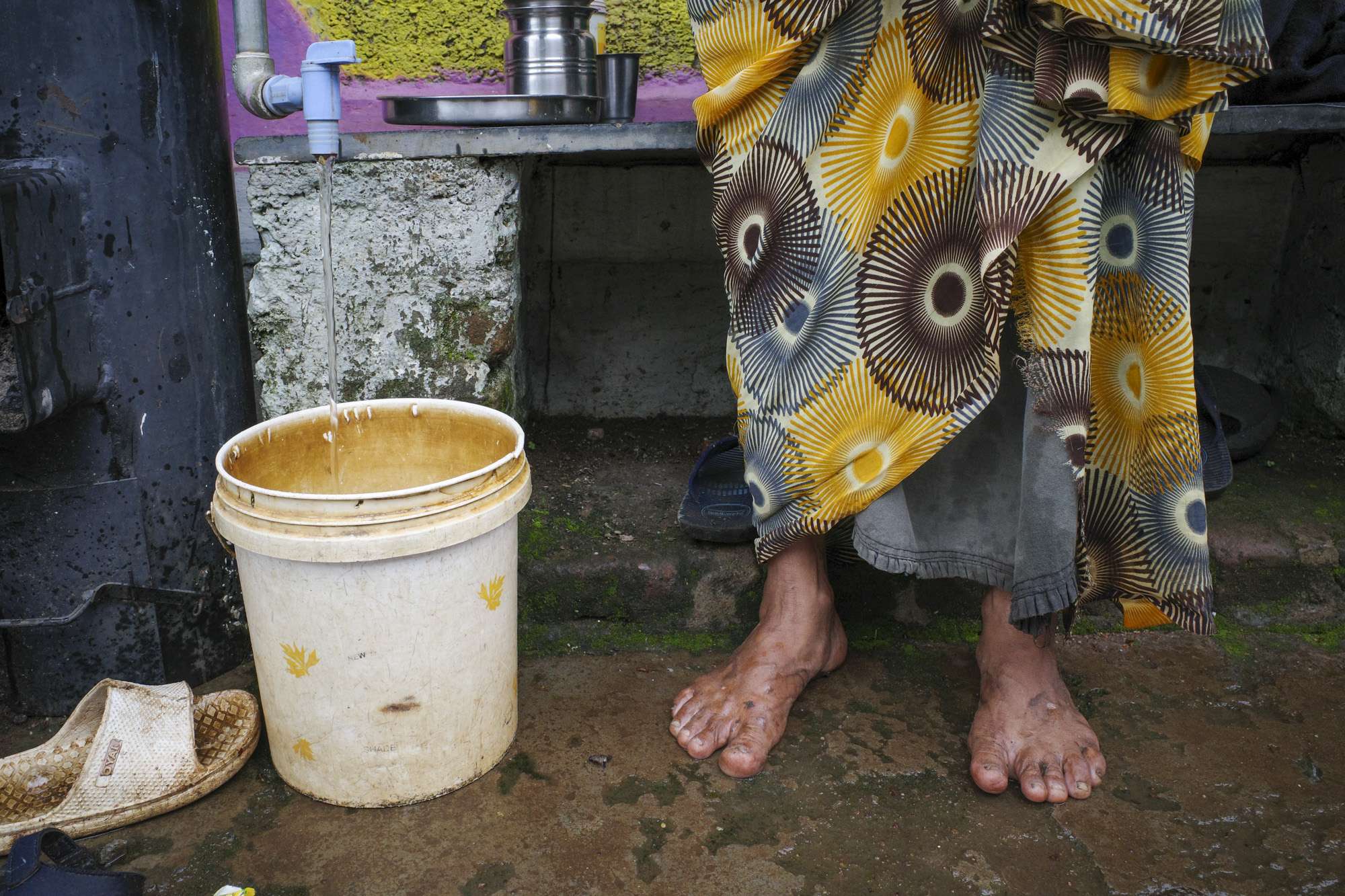
Back in the hamlet, water is stored in big earthen pots or plastic drums in shade. Cooking is mostly on wood fires using vessels that must be cleaned with water by hand. There’s no running tap; every drop must be fetched. Washing of utensils, clothes, bathing all happen around one central point or trough, often shared between households. In monsoon months, overflowing streams or seasonal springs offer a brief respite.
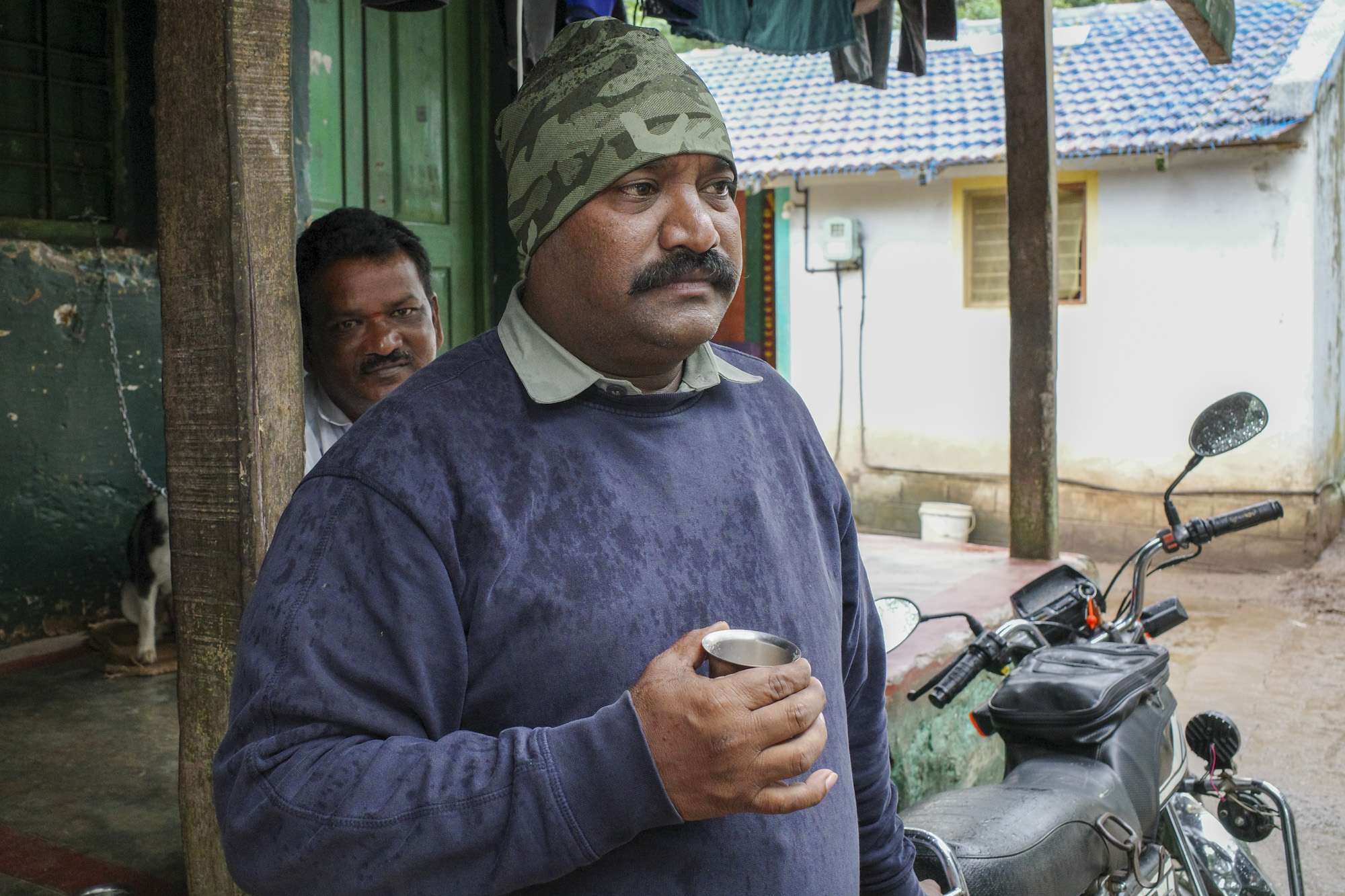
When someone hosts tea or a small gathering, a rare welcome event for an outsider, water is boiled and poured into cups, distributed under a thatched roof in the shade, and the foam, aroma and warmth become symbols of hospitality. In such moments, water is not just functional but sacred, bringing people together.
In dry spells, borewells become the fallback. But many of these run dry by late spring. In such times, pits or shallow dugouts hold residual water, seeped from underground or from monsoon runoff. People filter and boil that water, though health risks linger. Some are forced to travel long distances — uphill, through forest tracks — to reach springs or tanks.
Often, the women trudge more than a kilometer to a streambed pool, carefully scooping water in bottles to carry home. They balance jugs on heads; their feet follow trails along dusty red earth. They return with smiles and exhaustion.
Threats, Tensions, and Pressures
Because the Soligas live at the intersection of conservation policy and forest dependency, their water and livelihood challenges stem not just from nature but from shifting legal, institutional, ecological and socio-economic pressures. For example:
1. Declining water tables & seasonal scarcity
During summer, many borewells dry up. The shallow groundwater cannot sustain supply for all. Springs dwindle, streams shrink to trickles, many ponds stagnate or evaporate. The monsoon becomes ever-more critical. Erratic rainfall, longer dry spells, changing climate patterns intensify the pressure. Even wells that always held water now run dangerously low.
2. Forest policy restrictions & displacement
When BR Hills was declared a wildlife sanctuary in 1974, shifting cultivation was banned within core zones, and many interior settlements inside forests were relocated or constrained. Later bans or restrictions on forest produce collection (e.g. court rulings, Supreme Court orders) further constrained access to traditional resources. With reduced access to forest, their capacity to supplement income or buffer scarcity is diminished.
These restrictions also limited their ability to manage their landscape. Traditional burning or patch clearance which maintained springs, forest undergrowth, pathways was discouraged or banned. As a result, forest structure changed, some springs dried up, invasive species like Lantana invaded, reducing forest permeability and altering water flows.
3. Wildlife pressures & crop damage
As they shifted to coffee or horticulture on the forest edge, their crops became vulnerable to wild boar, deer, elephants. These animals damage fields, eat tubers, uproot crops. Some farmers abandon food crops because of repeated raids and focus on less palatable or cash crops, or shorter-duration crops. Wildlife also claims waterholes and forest springs, or trample catchment areas, sometimes fouling water sources or damaging banks.
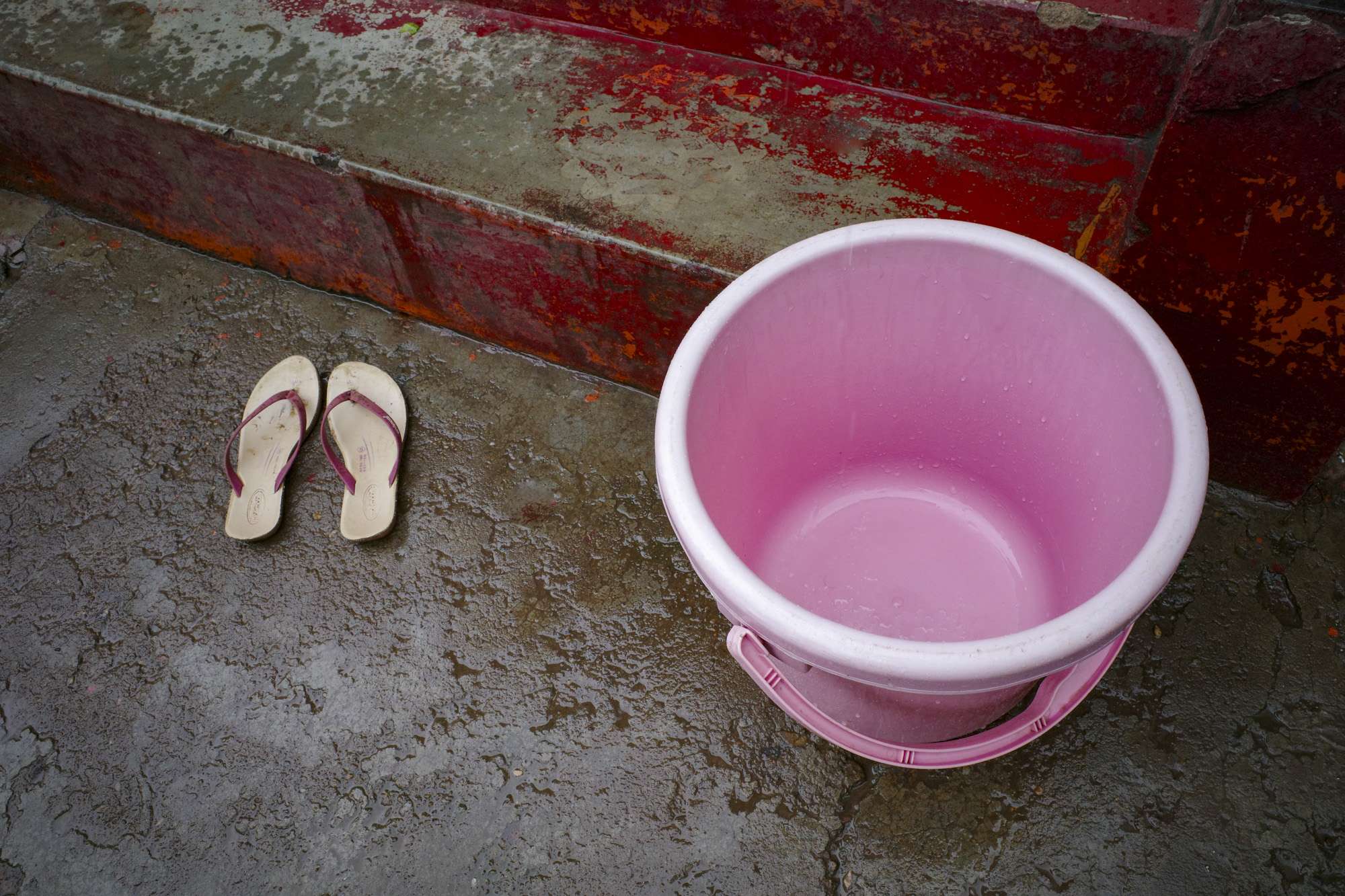
4. Changing forest ecology & decline of wild foods
Invasive plants and altered forest dynamics have reduced the abundance and accessibility of wild food plants, mushrooms, tubers, berries. That means less backup from the forest in lean seasons. Less forest cover or degraded catchments mean less recharge of springs and groundwater.
5. Infrastructure, maintenance, institutional failure
Many villages had drinking water plants installed, such as small-scale piped systems. External funding or programs were responsible but due to poor maintenance, broken pipes, lack of spare parts, absence of community management, many fell into disrepair. This forces the community back to borewells or local sources. Tasks such as cleaning tanks, repairing leaks, managing committees often fall to marginalized families or women, with limited resources or skills.
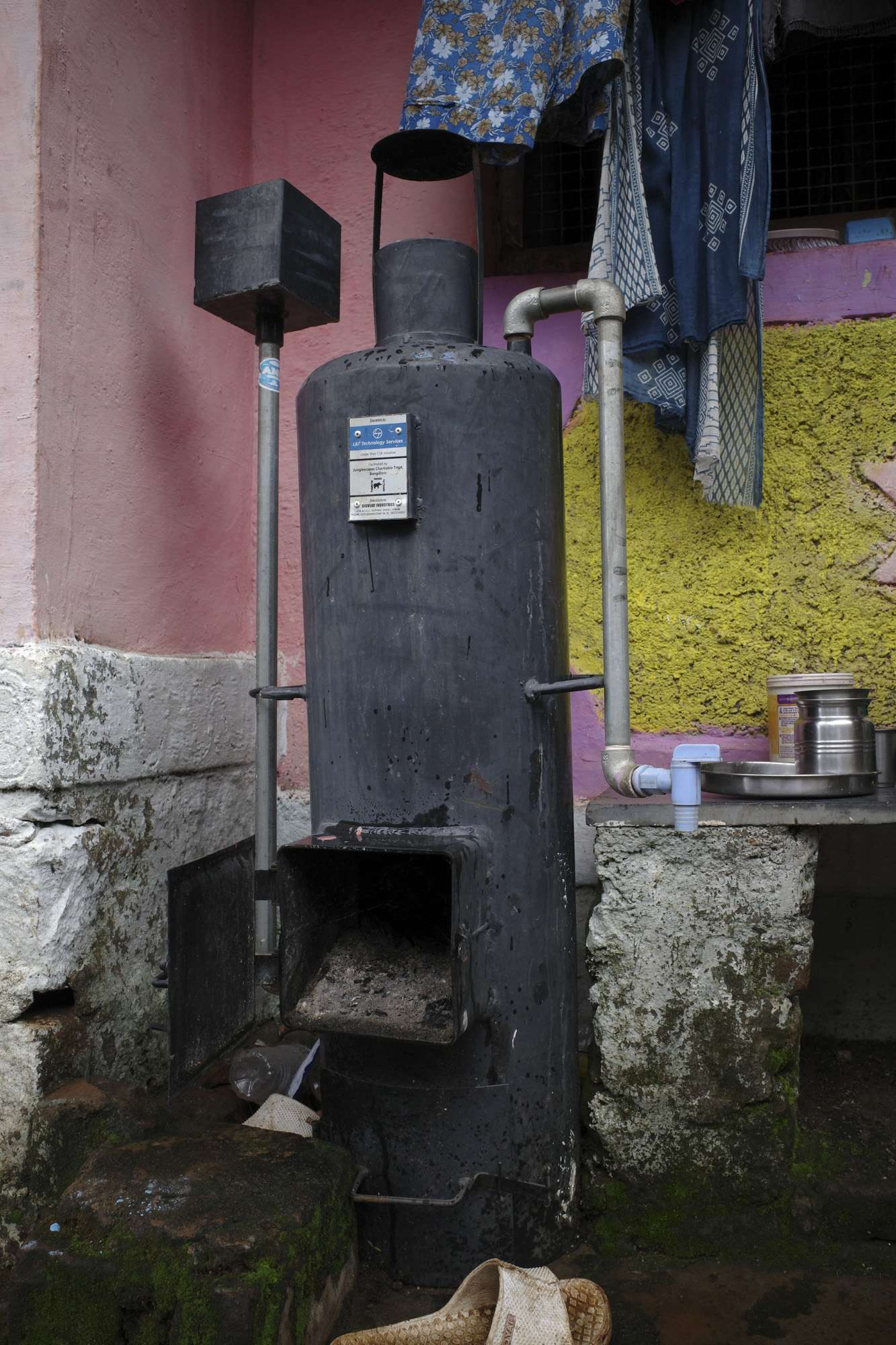
6. Health hazards & time poverty
Consuming filtered or boiled water from dubious sources (pit water, shallow dugouts) increases risk of waterborne diseases: diarrhea, gastrointestinal infections, skin ailments. The burden falls heavily on women and children, who fetch water and care for the sick. The time spent fetching water, particularly when sources are distant, takes away hours from farming, schooling, rest, and child care.
7. Generational change, aspirations, migration
Young people, especially in families without land or with failing incomes, often aspire to leave, go to towns, work in non-farm sectors. Many attend school, but dropouts are common by middle grades. As youth disengage from farming, traditional knowledge of springs, forest paths, medicinal plants, and much more starts to erode. When people migrate seasonally, water management (shared systems, committee upkeep) suffers continuity.
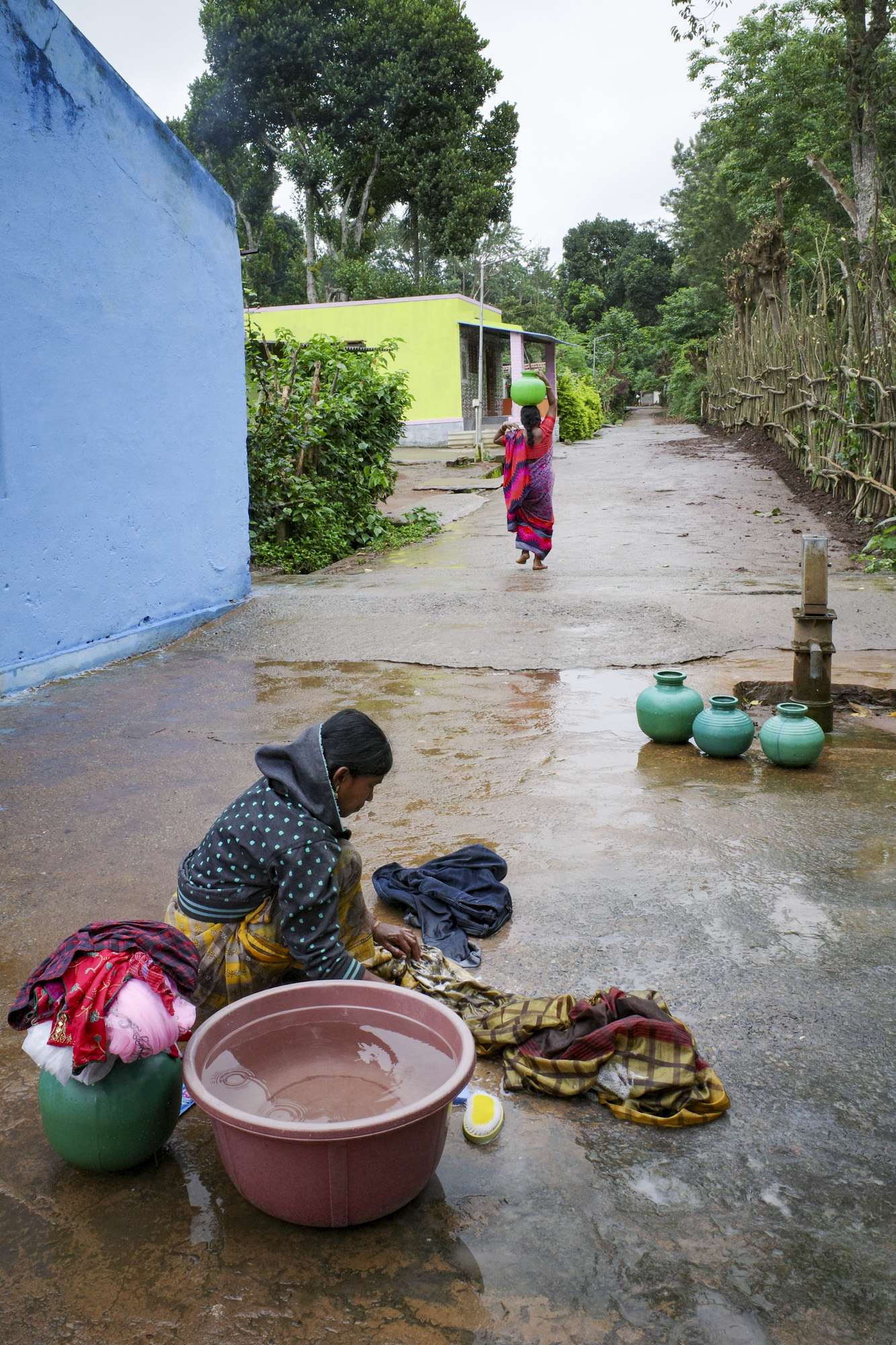
Snapshots of Resilience
Yet, despite adversity, the Soligas display enduring resilience and creative adaptation.
The women organize communal cleanings of the channels, removing silt, stones, leaf litter, and thus ensuring better flow into storage tanks.
Families dig small recharge pits around their houses, allowing rainwater to percolate and replenish shallow aquifers. These pits, filled with gravel and stones, are modest but effective. Some households constructed small check dams in seasonal streams to slow water flow and aid infiltration.
Farmers combine coffee with shade trees and groundcover, ensuring some soil moisture retention. Some plant native grasses or perennials that reduce runoff. Where possible, vegetable plots are irrigated by collecting overflow from roofs or diverted creeklets.
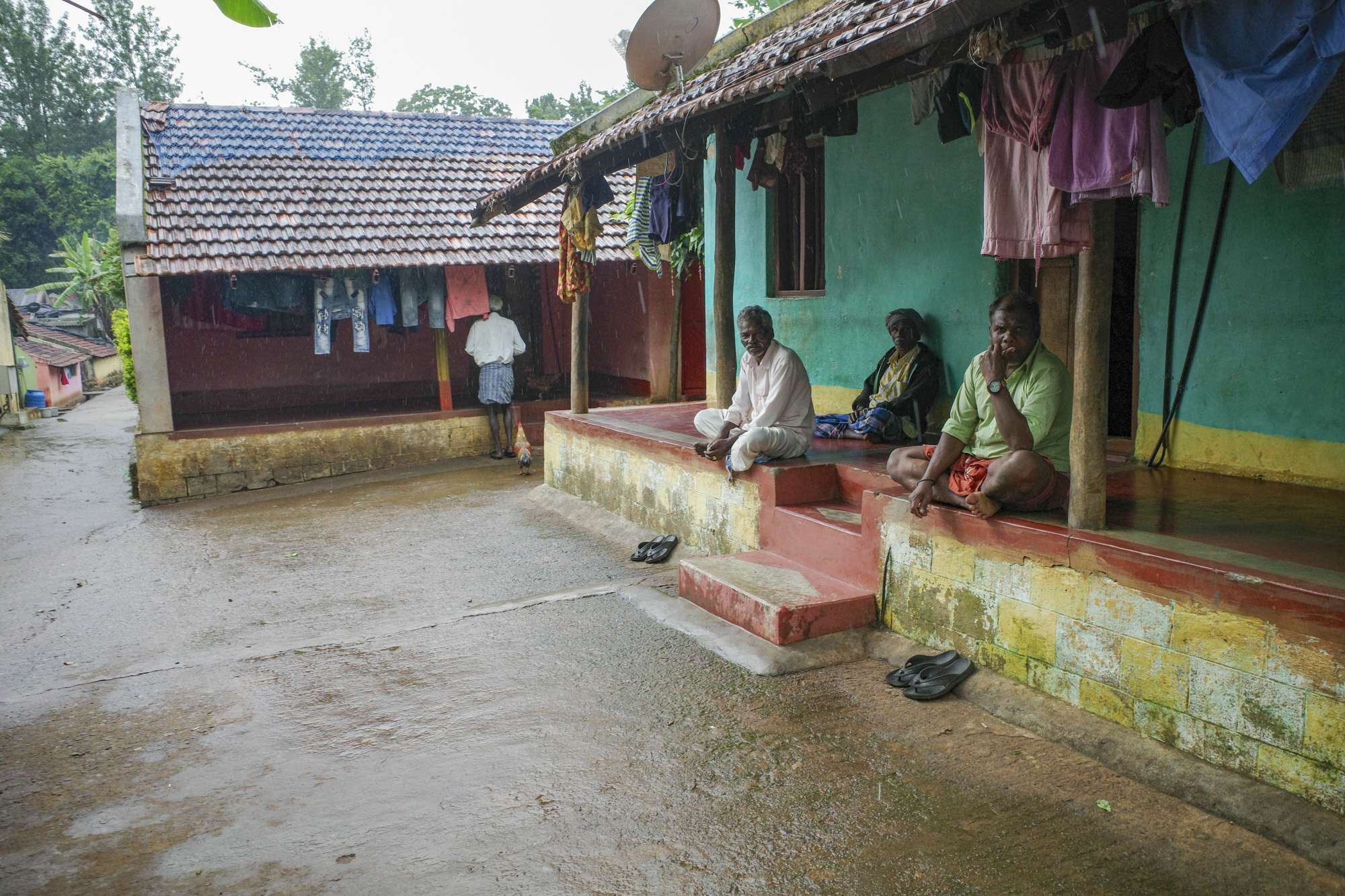
The people accept that things will change, but forests must live, springs must bore, otherwise neither the people nor the forest will survive. Some elders recounted how past generations named each spring, kept track of its status, and passed that knowledge down. Now, fewer children remember which springs were perennial or seasonal.
Where drinking water systems still function, local committees (if active) collect small contributions from households to maintain pumps, pipes, valves. But many such committees lack institutional support, technical backup, or training.
Some of the Soligas have mobilized politically and legally. In 2011, following persistent protests and claims under the Forest Rights Act, over 1,200 Soliga families regained forest land rights inside parts of reserves. Through that, they secured a degree of tenure security, permitting more stable cultivation and forest access.
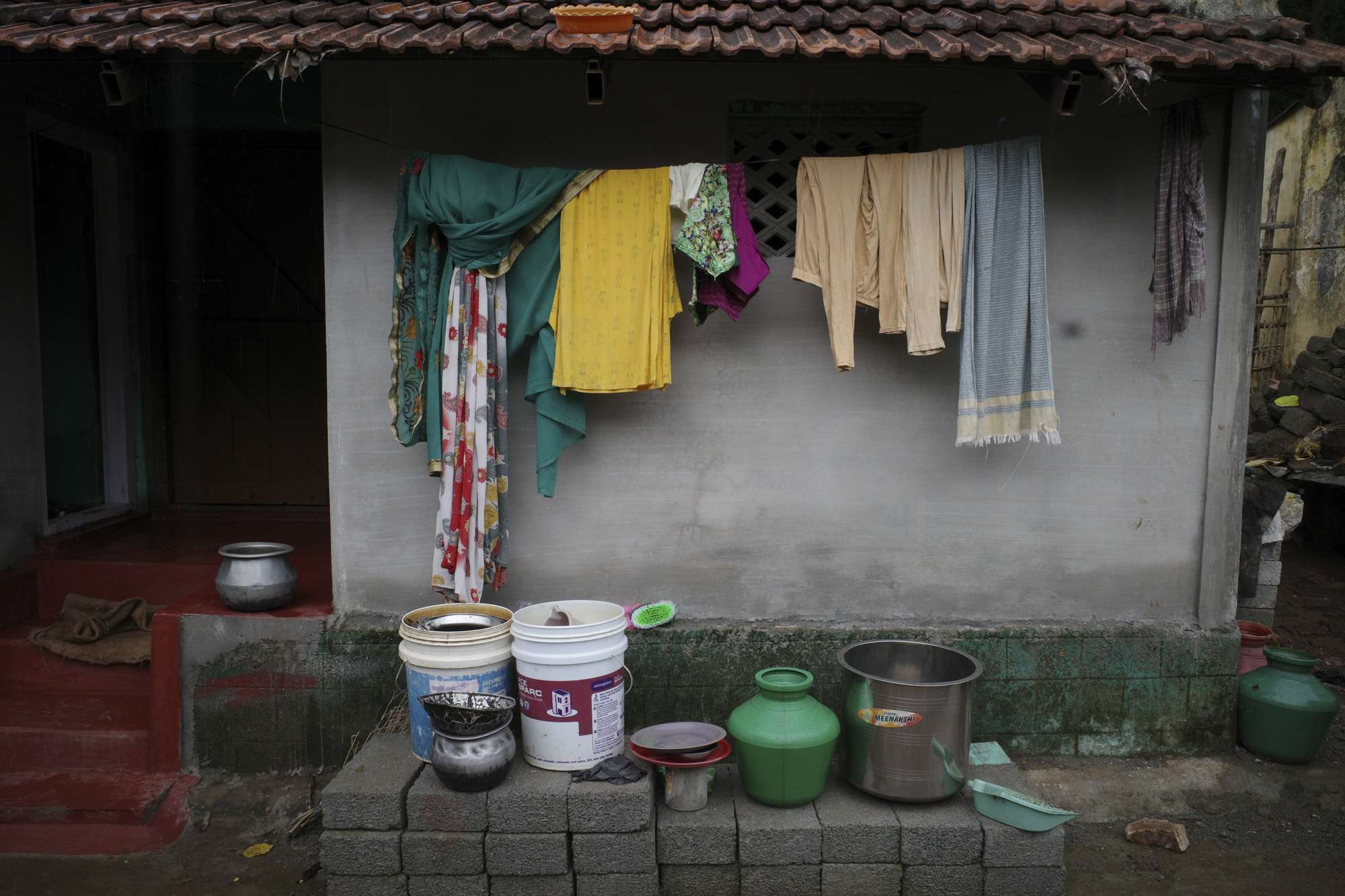
The Burden of Water in Their Lives
For a Soliga household, water is not background; it is challenge, labor, sustenance, and constant worry.
Women’s labour, invisible, underpins the community’s survival.