Moments are always there but we’re not always paying attention to experience them.
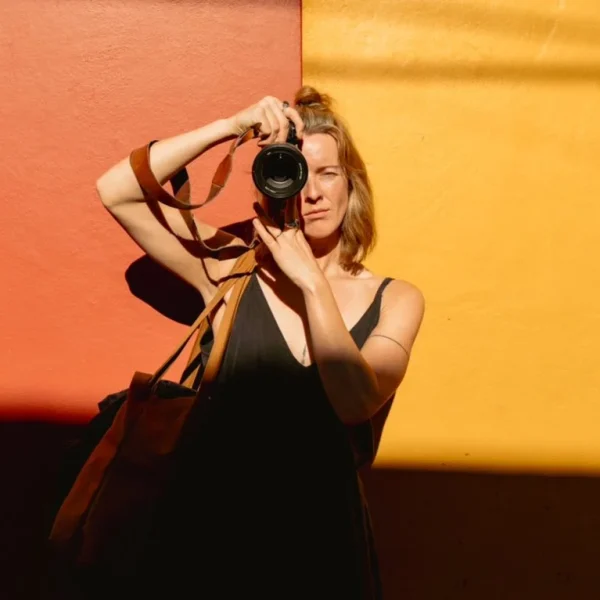
I came to Oaxaca emerging from depths of depression, partly in carrying grief from losing my father and also in letting go of familial attachment wounds. As a music therapist, I understand how focusing within a mode of expression can work as medicine and so photography and music work similarly for me; the art-form forces you to look at what’s in front of you – you are taken out of yourself.
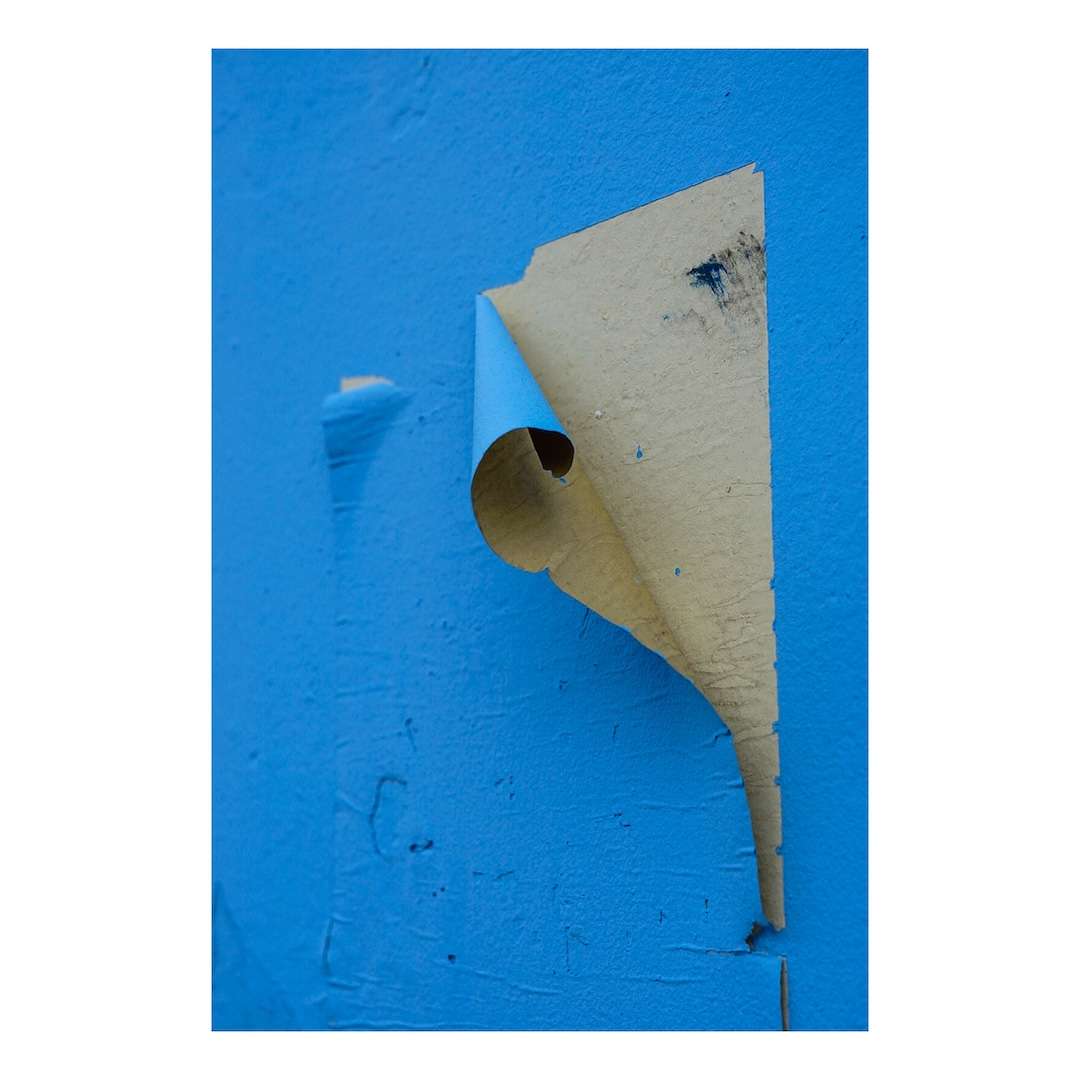
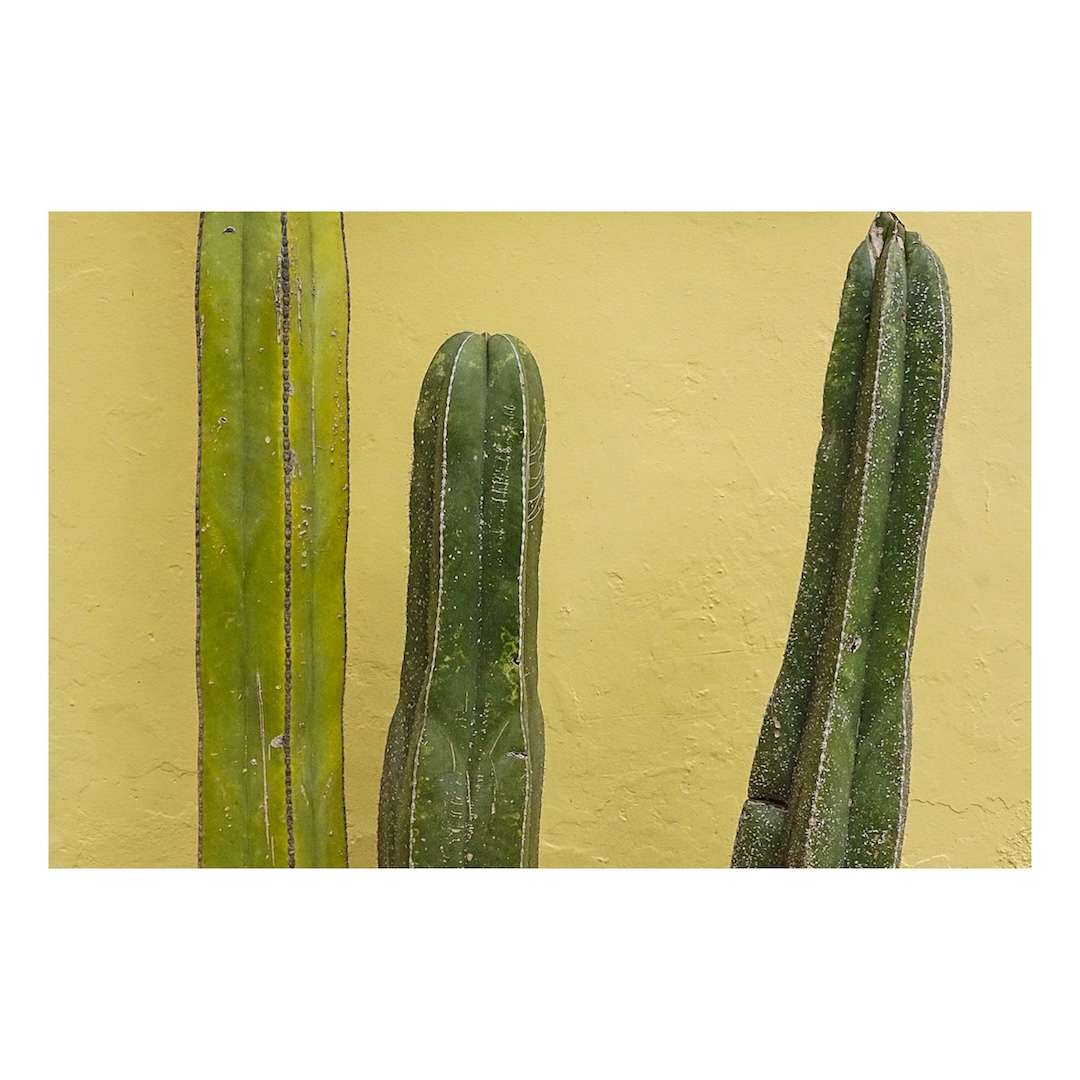
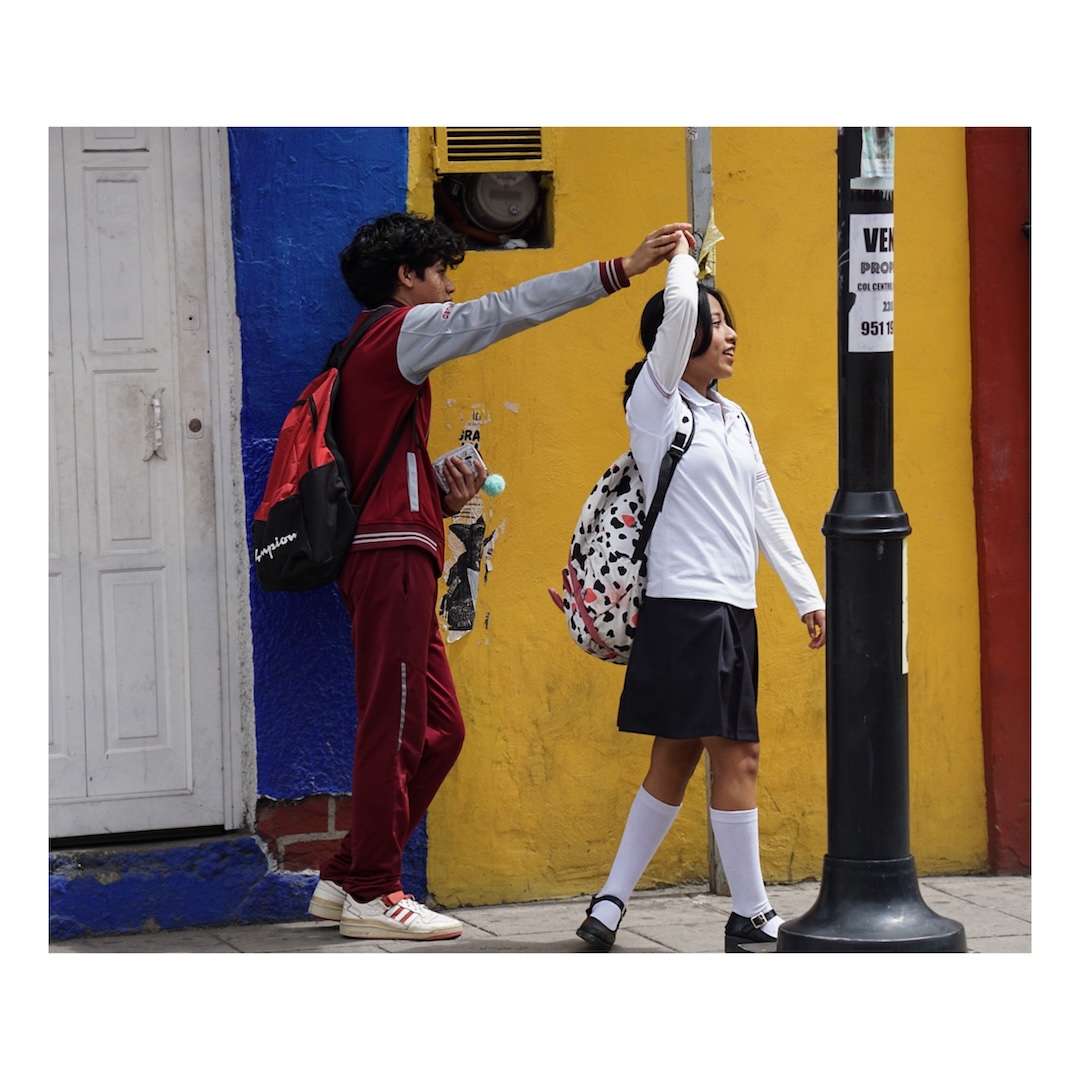
Anaïs Nin wrote, “We don’t see things as they are, we see them as we are.” For years my photography was dark – with low light, shadows and themes of melancholy. Oaxaca has opened my eyes to a different way of seeing with its relentless colour and as I move away from the performance elements as a musician and being inside my own head, the streets have filled me with creativity and potential, it’s overwhelming – I had to rest my eyes throughout the day.
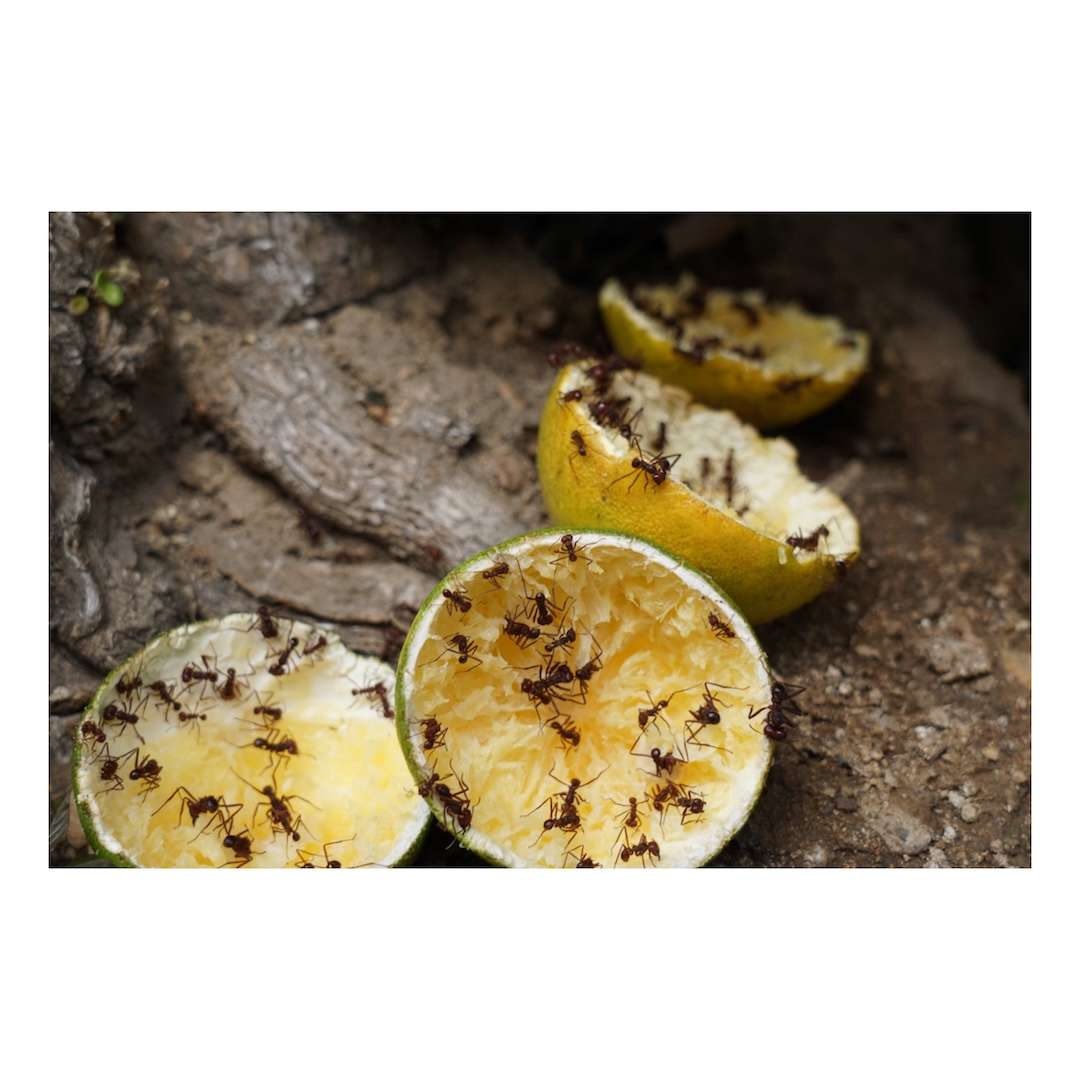
As I photograph, I enjoy experiencing the real framing of what I’m looking at by standing still and watching. Whereas in motion, you get to experience the process of letting go – a concept I believe we must become more familiar with given the overuse/permanence we feel through social media can be so damaging to us. Letting go prepares us for the inevitable loss that life brings and we can submit to the grief that will overbear us.
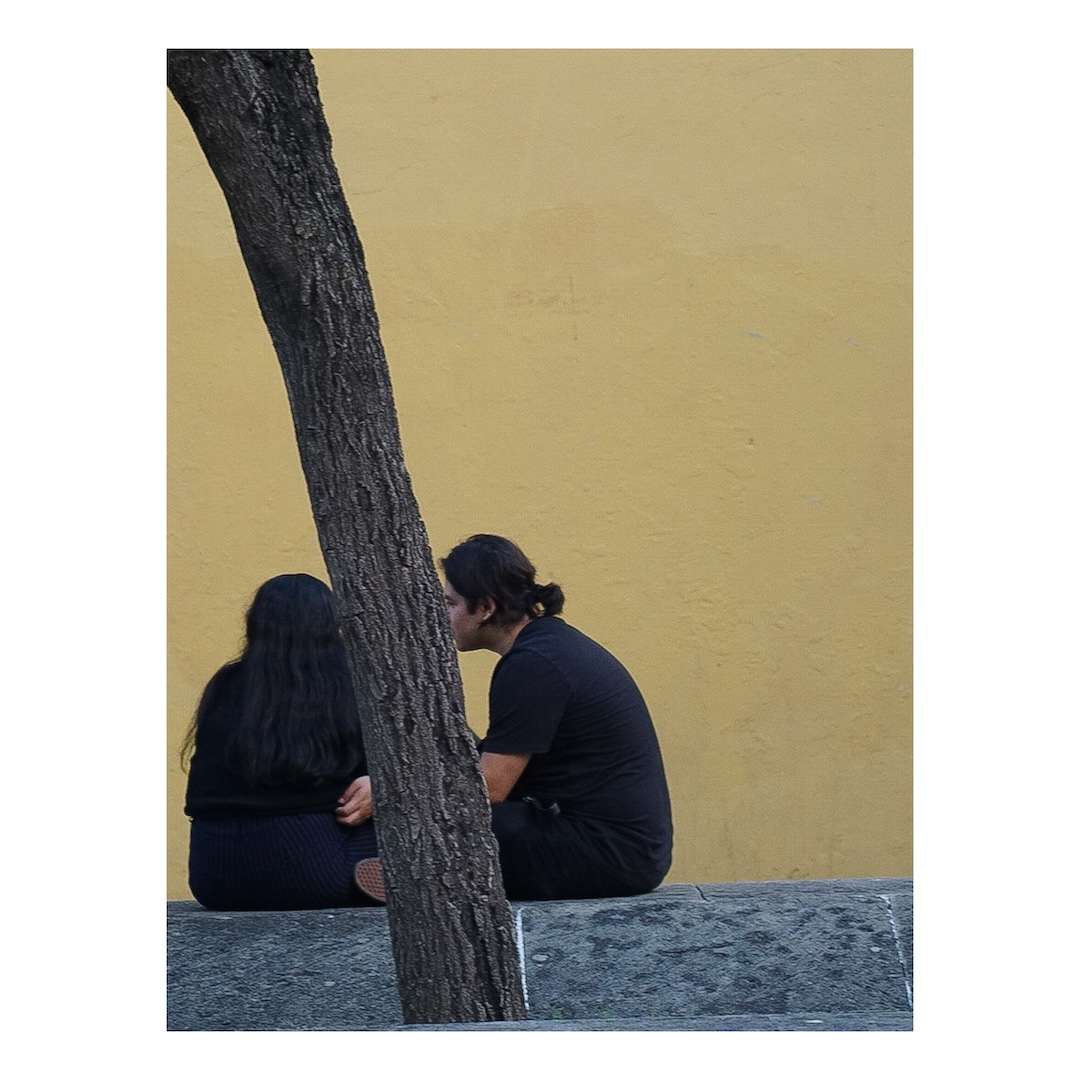
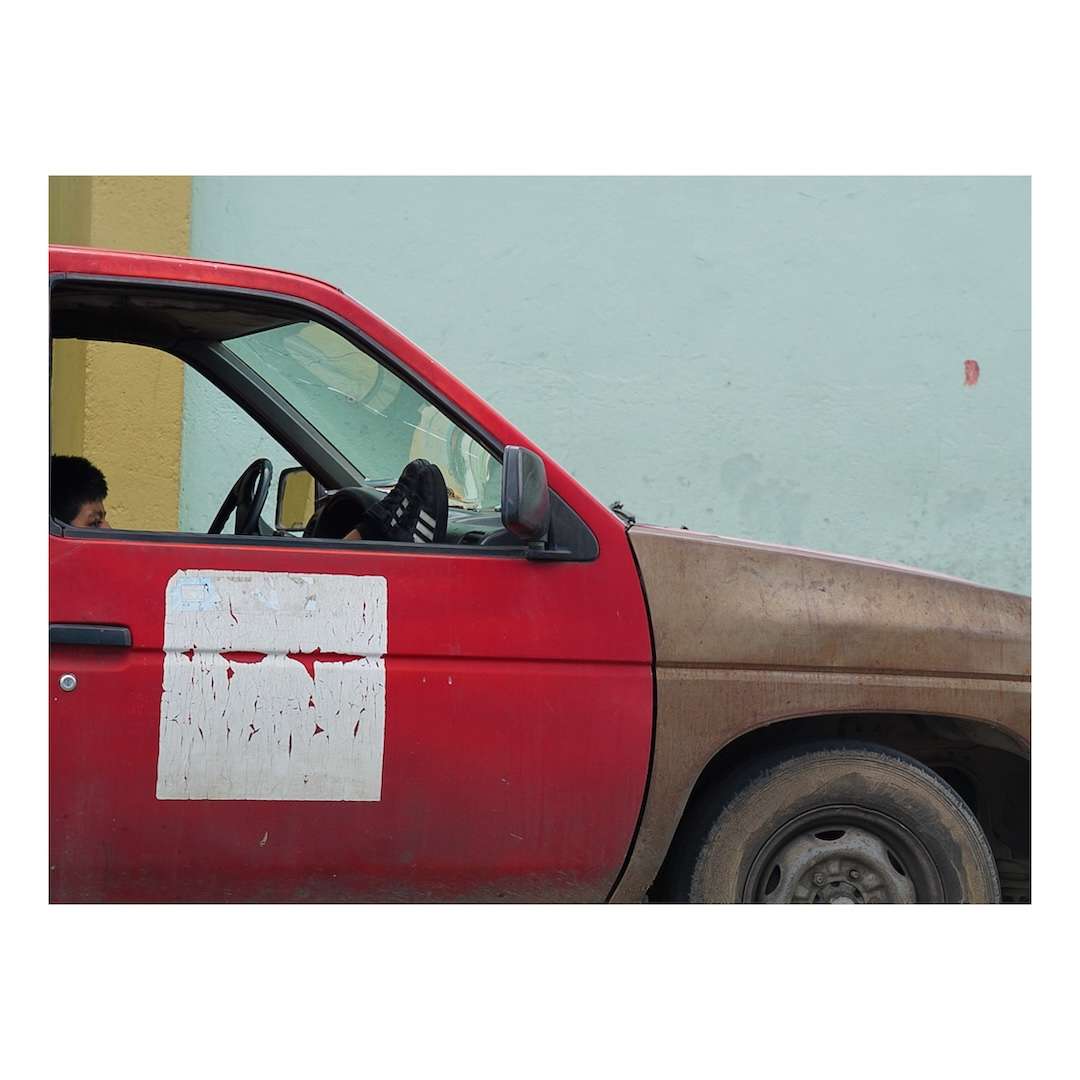
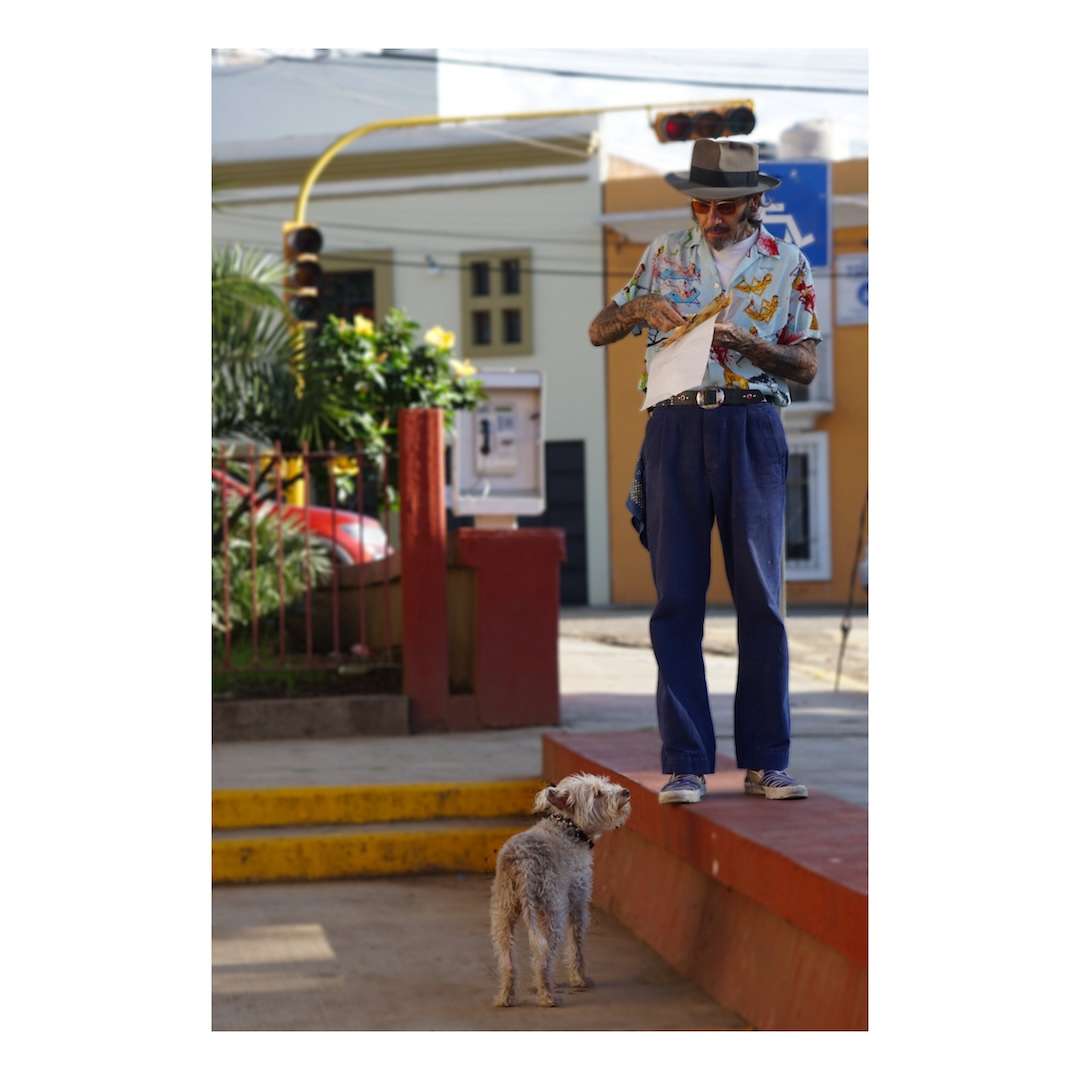
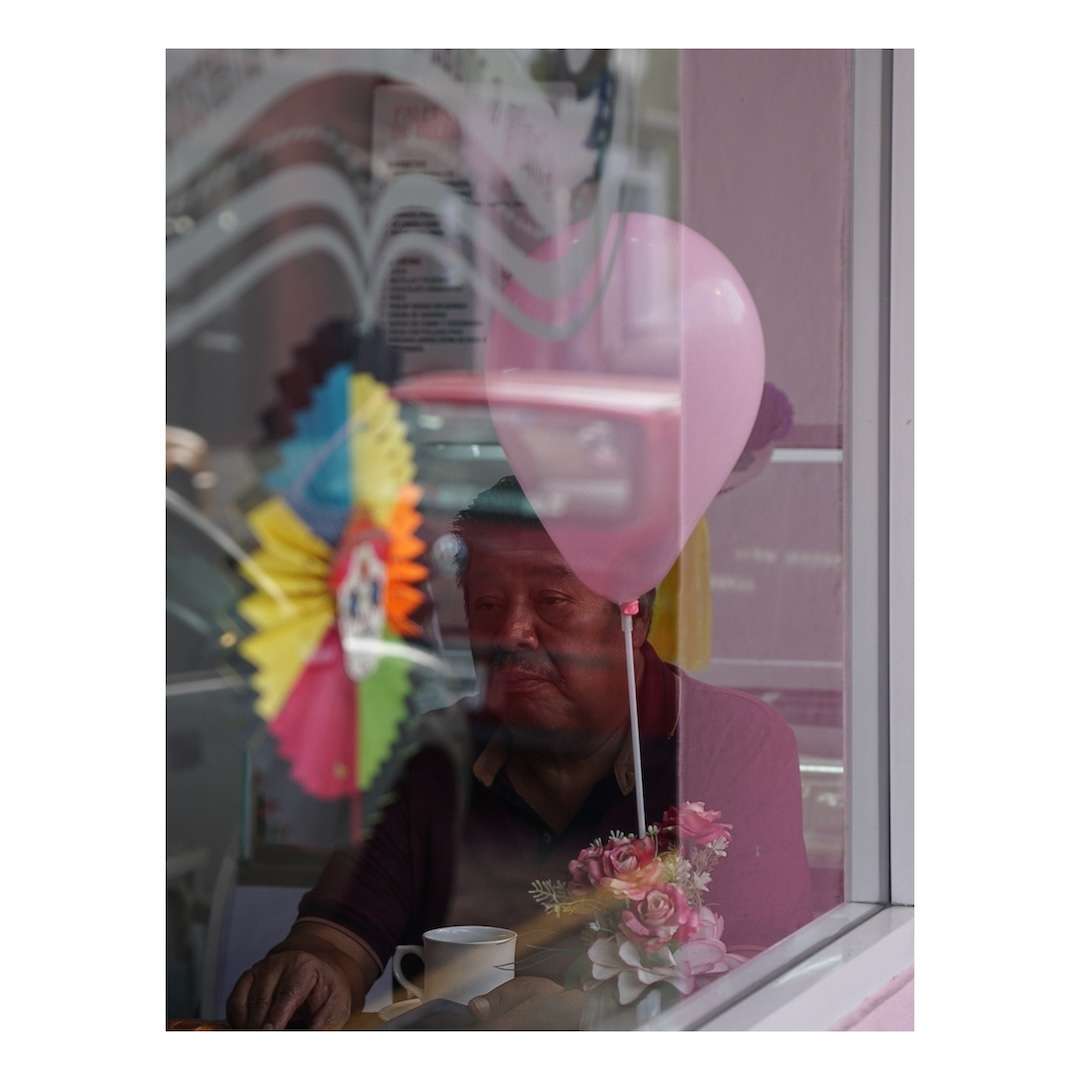
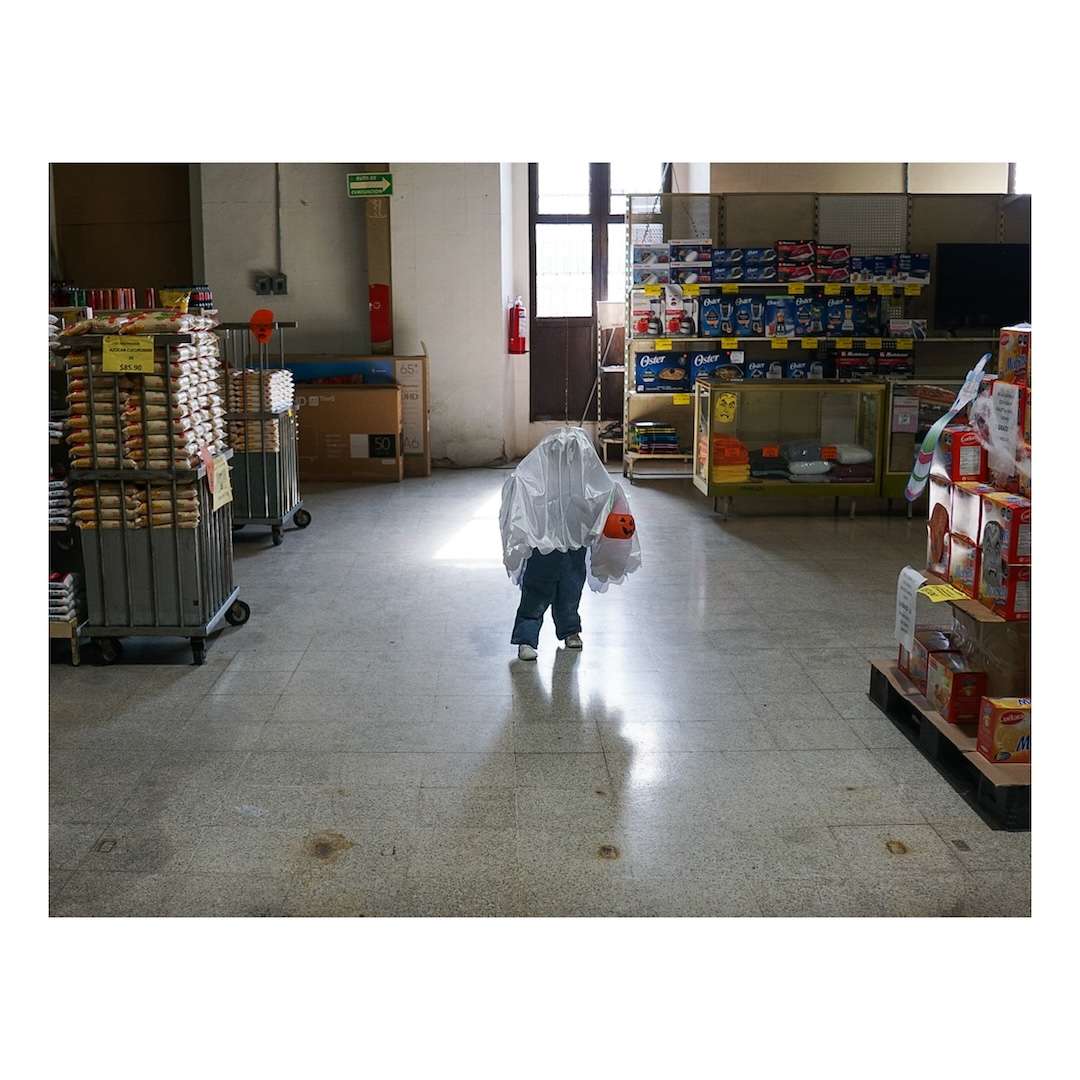
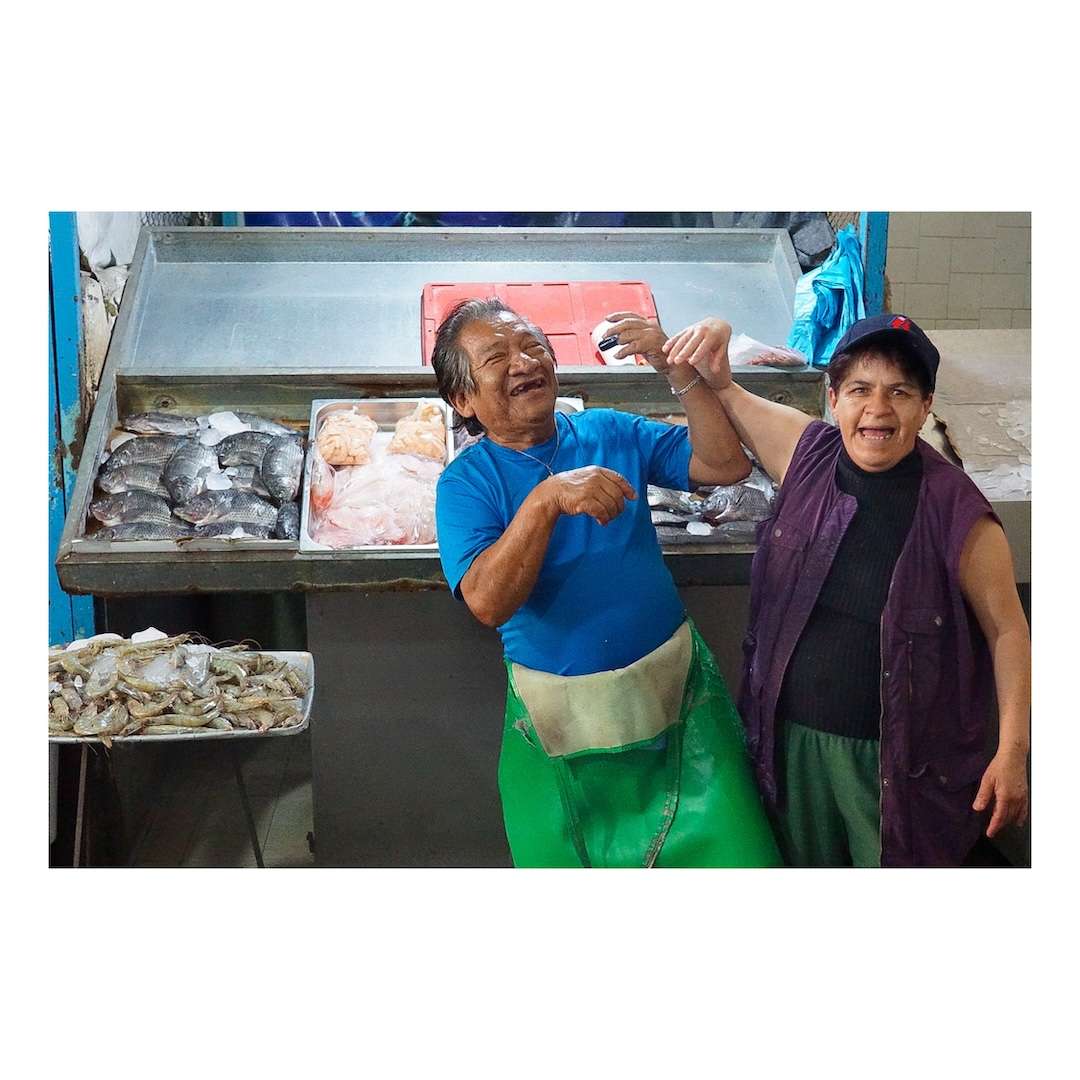
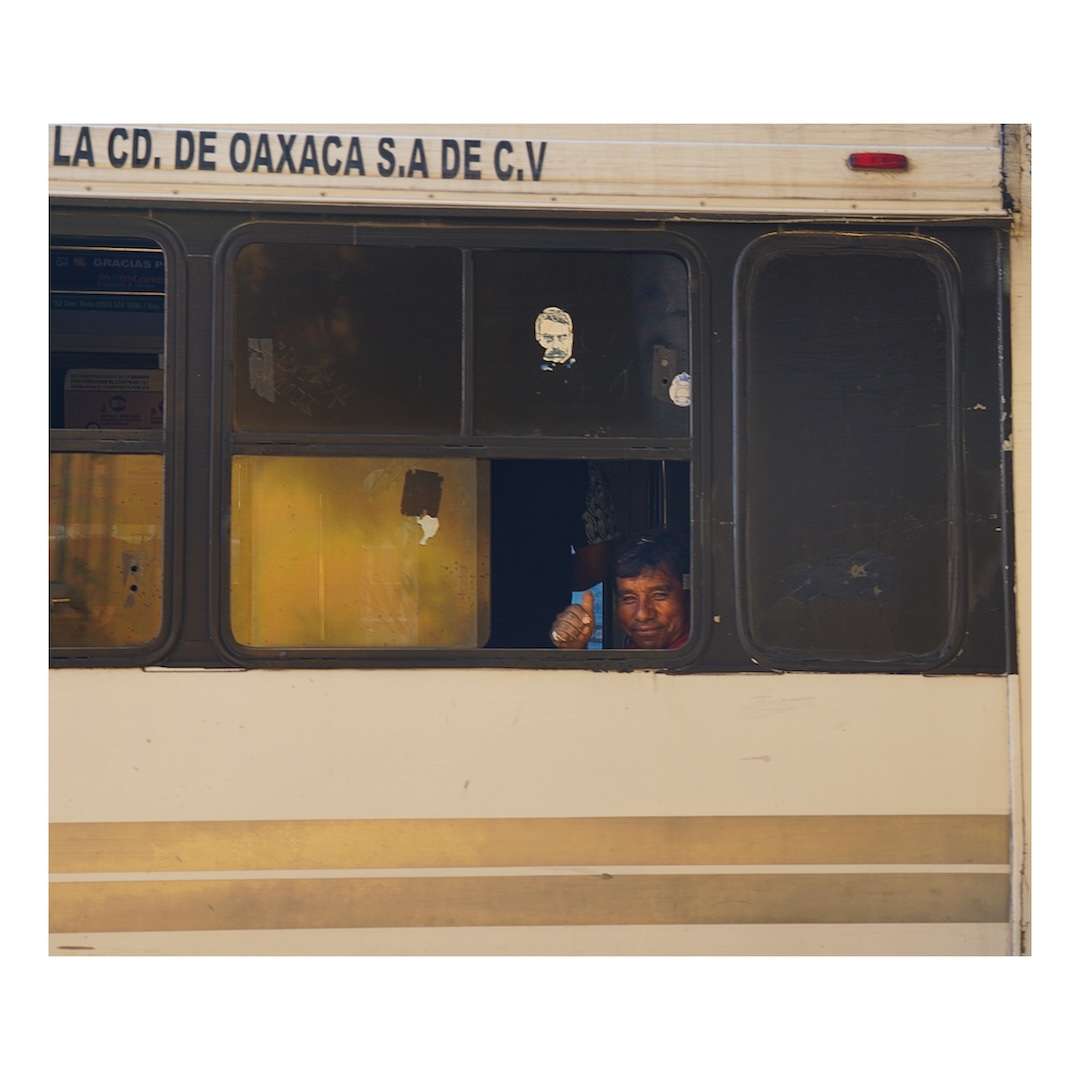
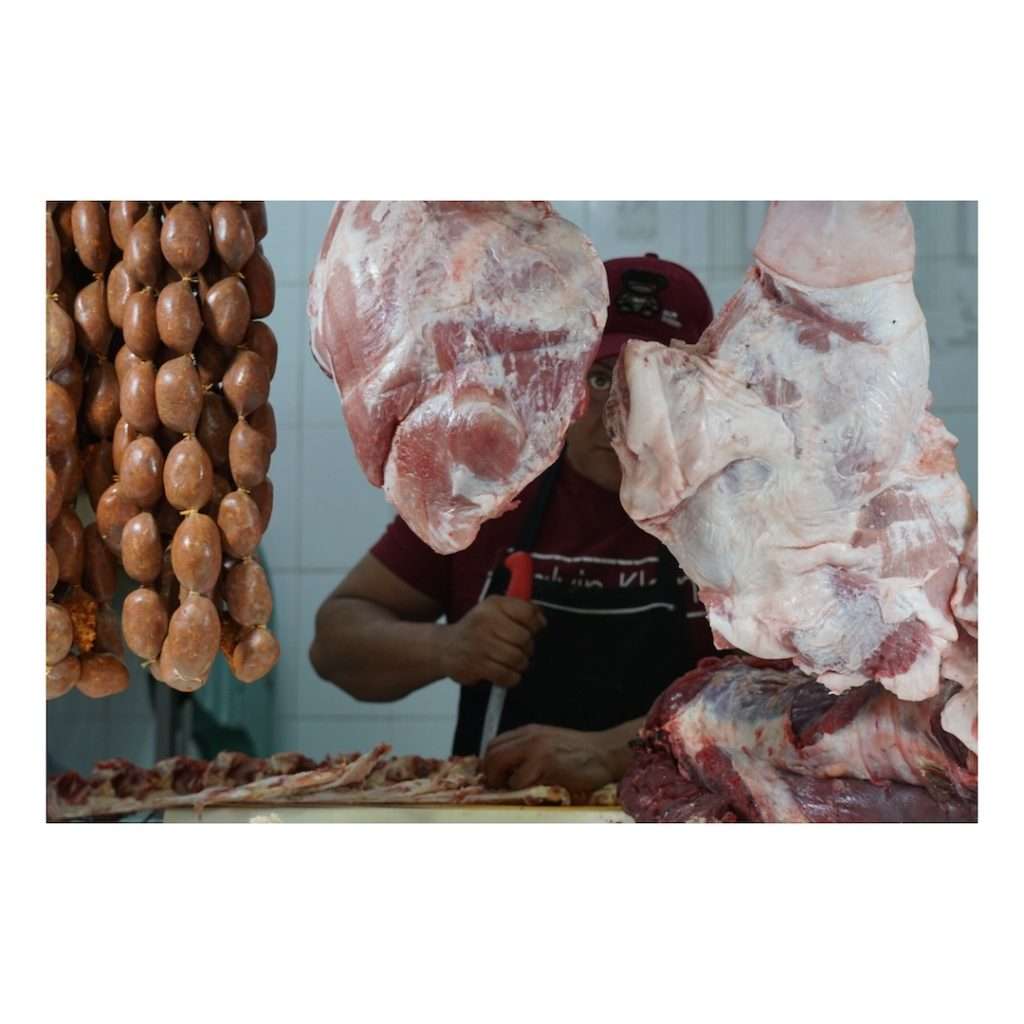
This series isn’t about Oaxaca specifically. It’s about a practice of attention that happened to take place here. The fish vendors laughing together, the child dressed as a ghost in the supermarket, the couple behind the yellow wall. The man on the bus giving me a thumbs up—he saw me seeing him, acknowledged the exchange. These photographs are evidence that when you stop long enough to really look, the ordinary world reveals itself to be endlessly alive.
John Berger’s teachings state our vision is never neutral, that how we look is shaped by power and history and gender. I’m a white Scottish woman photographing brown and Indigenous people in Mexico. The power dynamics are real and I can’t claim to understand these people’s lives. I keep my distance, I don’t intrude and I aim to stay respectful. But what I can do is witness. Pay attention. Say with the camera what the man on the bus said with his thumbs up: I see you. You’re here. This moment between us is real.
Your awareness is a catalyst for colour to come back into your vision.