

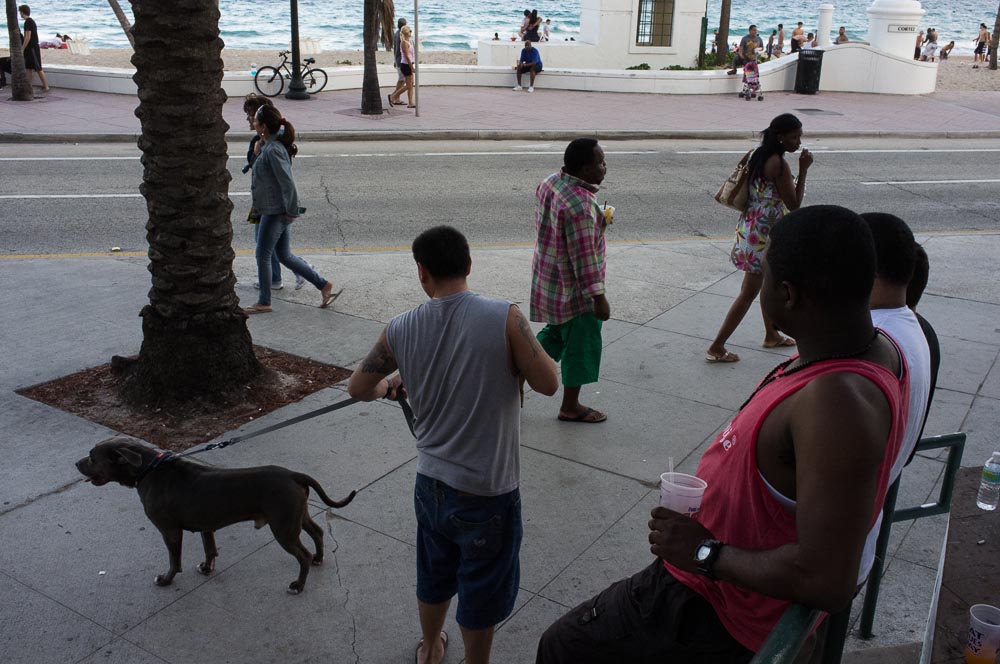
A sure way to make any street photography image more interesting is to include several subjects or scenes located on different planes inside the frame. This technique, also called doing layers or layering, consists basically in making sure that there is something that grabs the viewer attention in the front, middle and back of the image filling the entire field.

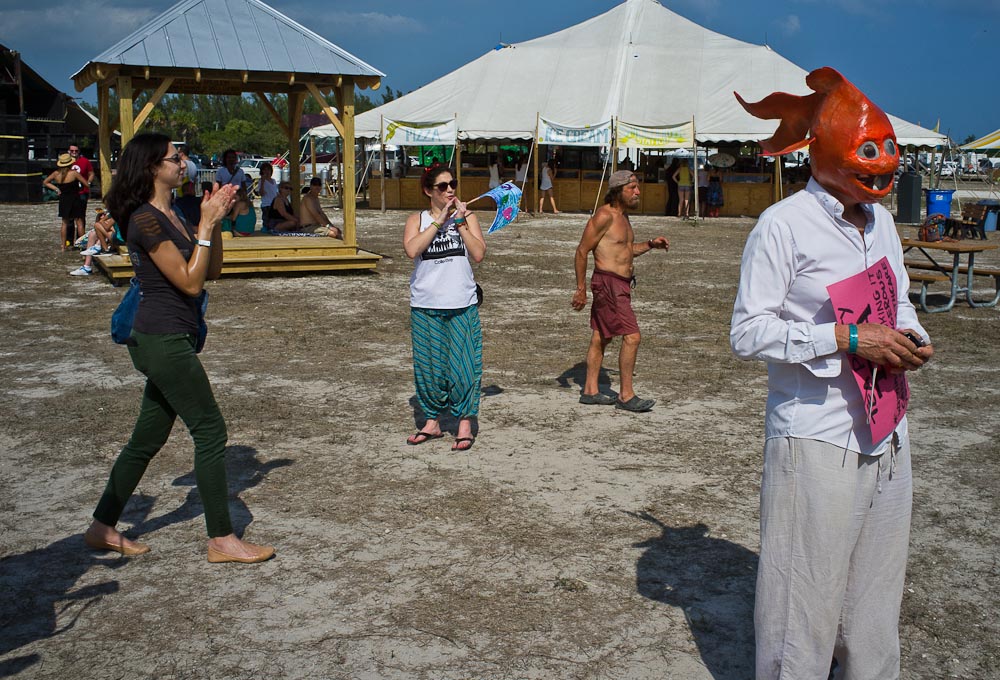
This technique is much harder that it sounds and it is important to realize that simply layering the image doesn’t automatically make it a great street photograph. I have been concentrating on improving my layering and I found three elements that will increase the chances of making the technique successful and producing an image that “works”.
“What use is having a great depth of field, if there is not an adequate depth of feeling?” – W. Eugene Smith
1. The more subjects the better
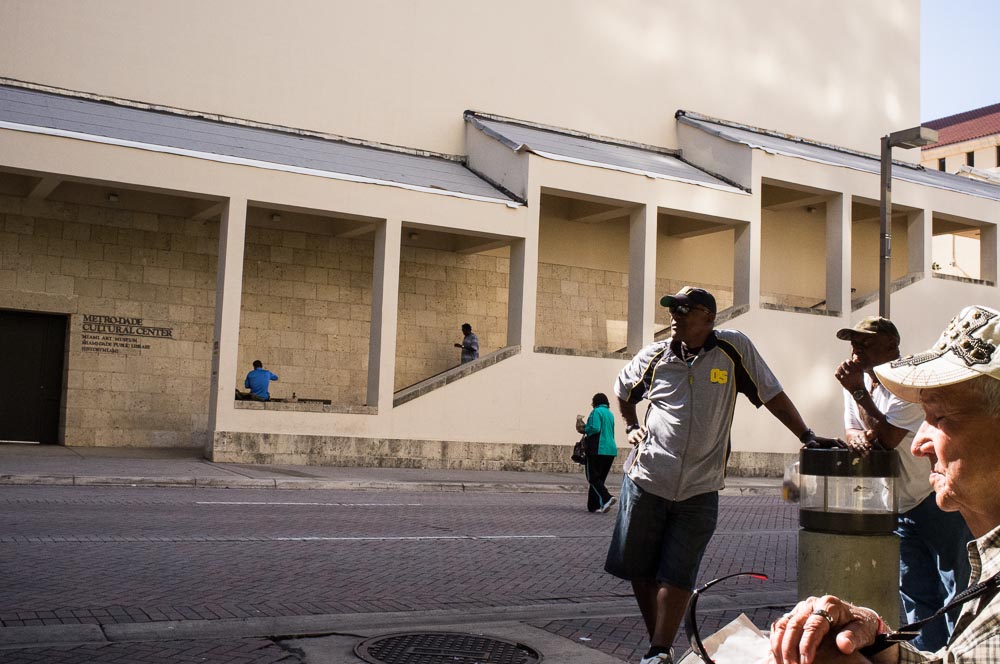
Technically you need at least three main subjects ( or groups) in different planes to have a layered image but the more the better. I believe that a really good number is five. You can have as many as you want, some of them may be in the distant background, appearing much smaller than the main subjects, and if they are all located well could add more impact to the image but too many subjects could be confusing and distracting. There has to be some sort of symmetric distribution between the groups to make it work.
“You can look at a picture for a week and never think of it again. You can also look at a picture for a second and think of it all your life”. – Joan Miró
2. Place the front subject within six feet or less from you
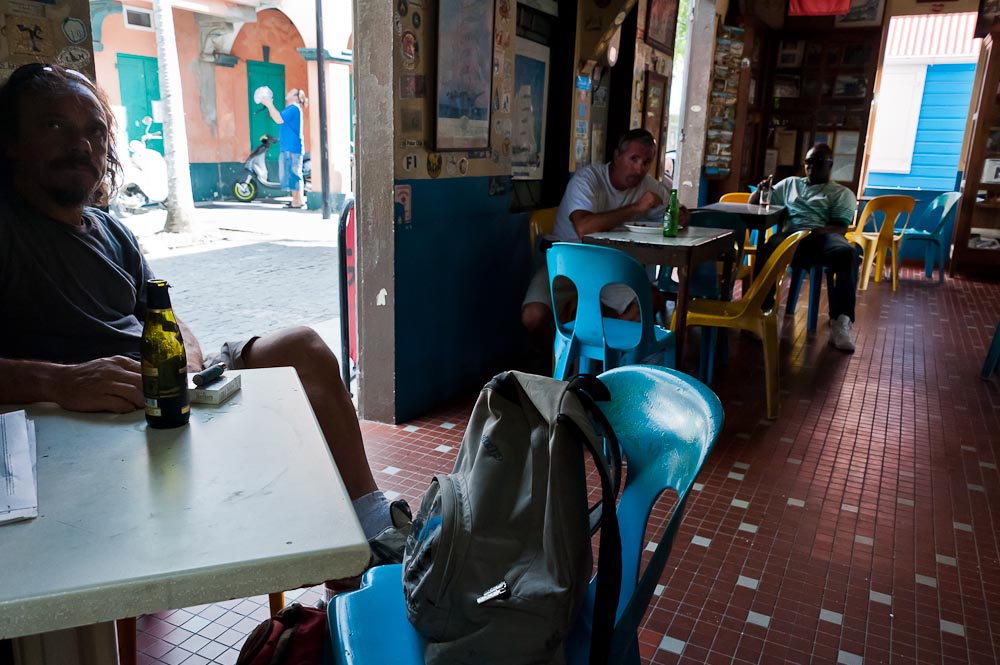
This is easier to accomplish with a wide-angle which is another reason why a focal length of 35mm or less is best for street photography. The front subject may only be partially visible, maybe an arm or a face, complementing the other subjects or it may be completely visible becoming the center point of the image.
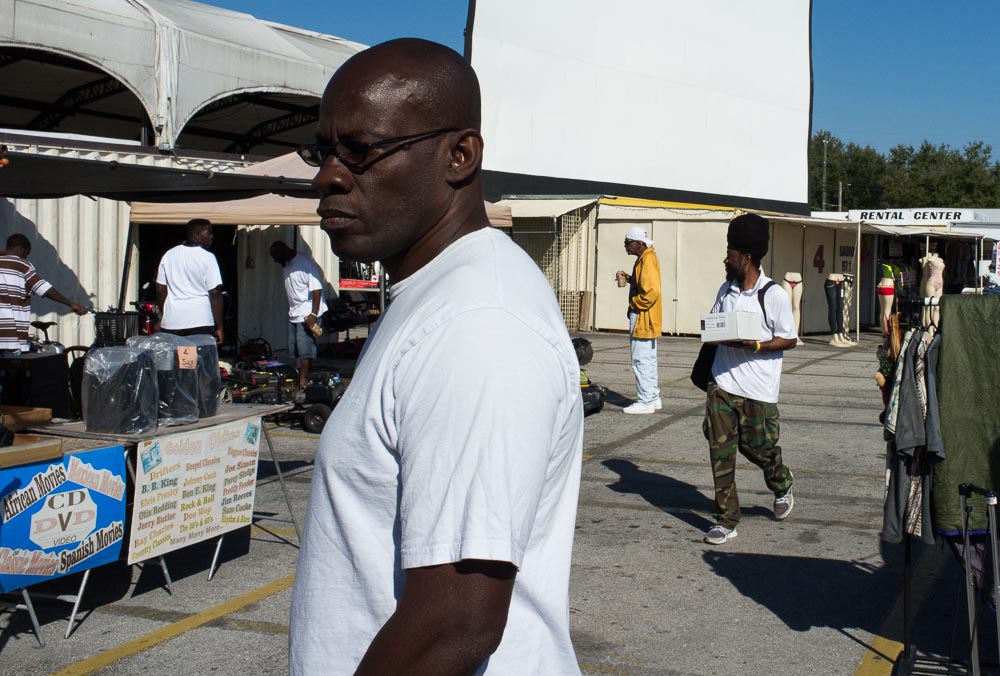
“Art does not follow hard and fast rules, and thus transcends any attempt at a ubiquitous definition.” – Guy Tal
3. Include interesting subjects or active gestures
Most of the times I find myself placing the subjects in layers but none of them is really having anything interesting happening: no special gesture, no surprise element, no curious posture. This is why I said above that just placing subjects in layers is not enough to make it successful. There has to be at least one subject that carries the picture and around which the other subjects revolve. This is the hardest part of doing layers and takes a little bit of luck and great timing to pull it off successfully. It is the reason why practicing the eye and being quick to react is important. I consider this an area that I have to work a little bit more.


Although sometimes just the symmetrical distribution of the subjects is what’s interesting and could “make” the picture, it really helps if at least one of the subjects elicits curiosity or is doing something more than walking or standing.
“Trust that little voice in your head that says.. Wouldn’t it be interesting if….And then do it.” – Duane Michals
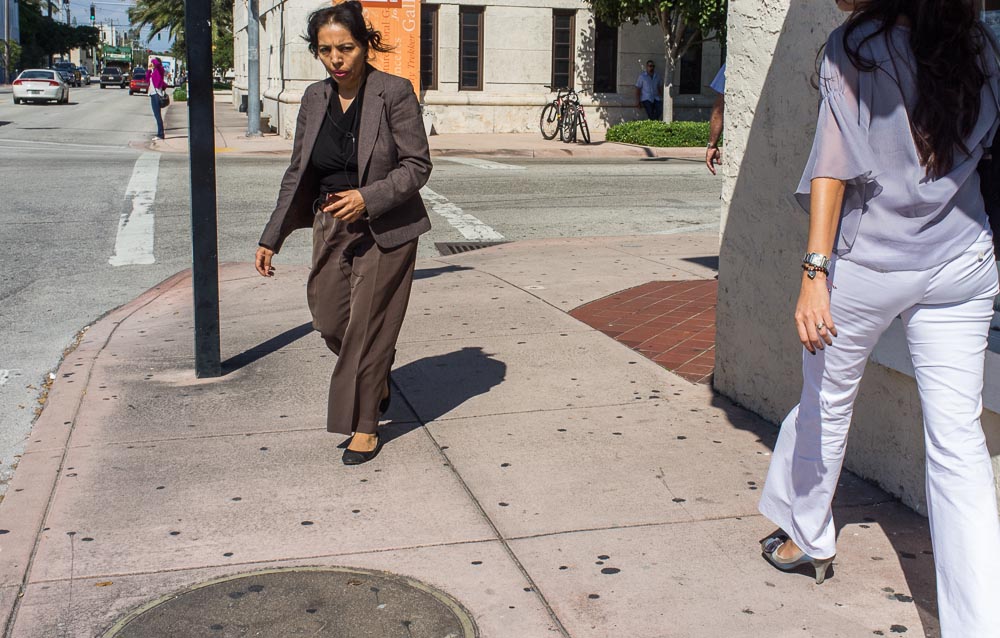

As I said, this is something that I’m concentrating on when I’m out shooting so I expect to write more as I improve my technique. I hope you enjoyed the images.
Thanks for visiting.
All images on this post (C) Juan Jose Reyes. All rights reserved.
Juan Jose Reyes
His goal is to promote and practice the art of street photography and help develop a community of people interested in the genre.